Introduction
Luxury has always been about aspiration, craftsmanship, and status. For decades, owning a high-end handbag, watch, or couture piece meant buying it brand new, often at a premium price justified by heritage and exclusivity. However, consumer behavior has quietly but decisively shifted. Today, affluent and aspirational buyers are increasingly turning to the luxury resale market, not as a compromise, but as a conscious, intelligent choice. What was once perceived as second-hand is now seen as curated, sustainable, and smart.
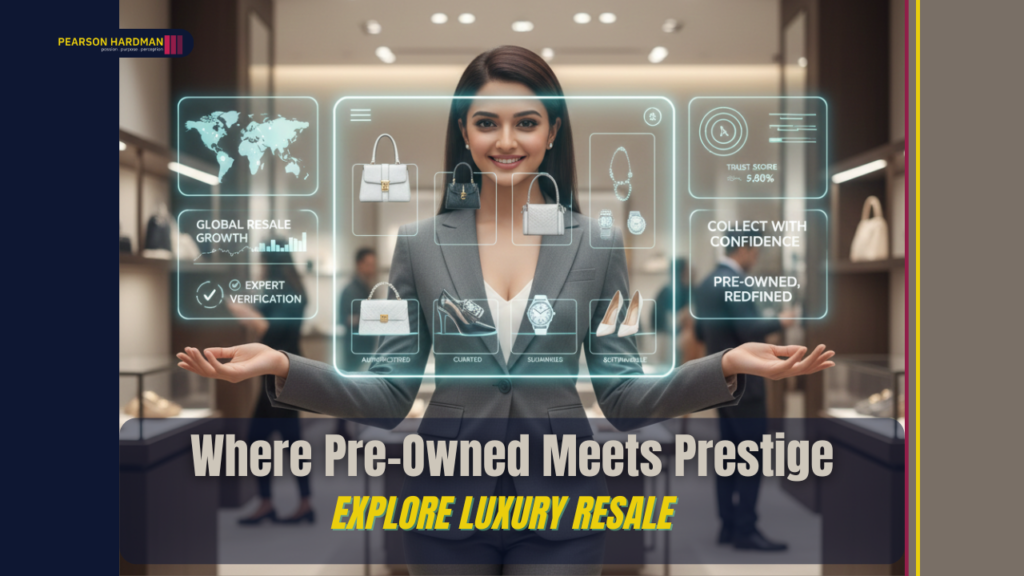
This evolution has created a massive opportunity and an equally complex challenge for brands operating in the high-end pre-owned market. Selling luxury resale products is not just about inventory and pricing. It is about trust, storytelling, authentication, and perception. Branding plays a central role in transforming pre-owned luxury into a desirable experience rather than a transactional one. In this article, you will learn how luxury resale branding works, why it matters more than ever, and how high-end resale businesses can position themselves as credible, aspirational, and profitable in a competitive global market.
Understanding the Rise of the Luxury Resale Market
The luxury resale market has grown from a niche concept into a multi-billion-dollar global industry. Factors such as sustainability awareness, changing attitudes toward ownership, and rising luxury prices have pushed consumers to explore pre-owned options. Buyers today are not only price-conscious but value-conscious. They want authenticity, longevity, and emotional value, all without unnecessary waste.
Luxury resale also appeals to younger consumers who view fashion and luxury as fluid rather than permanent. Millennials and Gen Z shoppers see resale as a way to access iconic brands while participating in a circular economy. This shift has made luxury resale branding essential because the product alone is no longer enough. The experience, trust signals, and brand narrative determine whether a buyer completes a purchase or moves on.
Why Branding Matters More in Luxury Resale Than Traditional Retail
In traditional luxury retail, brand equity is inherited from the original brand itself. In the luxury resale market, however, the reseller becomes the brand. Buyers are not only trusting the original designer but also trusting the platform, store, or business selling the pre-owned item. This creates a unique branding challenge that requires careful positioning and consistent communication.
Luxury resale branding must bridge two worlds. It needs to retain the prestige of the original luxury brand while adding its own layer of credibility, transparency, and service excellence. Without strong branding, pre-owned products risk being perceived as risky or inferior. With the right branding, they become exclusive finds with stories, history, and emotional appeal.
Building Trust in the High-End Pre-Owned Market
Trust is the foundation of the luxury resale market. Buyers are often willing to pay a premium for pre-owned items, but only when they are confident about authenticity and condition. Branding plays a silent but powerful role in building that confidence. Every touchpoint, from website design to product descriptions, communicates reliability.
Successful luxury resale brands invest heavily in authentication storytelling. They explain their verification processes in simple, reassuring language and show expertise without overwhelming the buyer. By positioning themselves as experts rather than intermediaries, they reinforce authority and trust. This approach aligns closely with Google EEAT principles, where experience, expertise, authority, and trustworthiness define long-term success.
Storytelling as a Core Luxury Resale Branding Strategy
Luxury has always been about stories. In the pre-owned market, storytelling becomes even more important because each product carries a past. A well-branded luxury resale business does not hide the pre-owned nature of its products. Instead, it reframes it as heritage, rarity, and character.
A pre-owned Rolex becomes a timepiece with history. A vintage Chanel bag becomes a symbol of timeless design. By narrating these stories authentically, luxury resale branding transforms resale items into collectibles rather than compromises. This storytelling approach also improves SEO performance by naturally integrating descriptive, long-tail keywords that match buyer intent.
Visual Identity and Experience in Luxury Resale Branding
Visual presentation is critical in the luxury resale market. High-end buyers expect premium aesthetics regardless of whether the product is new or pre-owned. Clean layouts, elegant typography, and high-quality product imagery signal professionalism and credibility.
Luxury resale branding should focus on consistency across all platforms. From social media to product pages, the visual language must reflect refinement and confidence. Overly cluttered designs or aggressive sales messaging can damage brand perception. Subtlety, clarity, and restraint are hallmarks of successful luxury branding, even in the resale space.
Pricing Strategy and Perceived Value
Pricing in the luxury resale market is not purely mathematical. It is psychological. Buyers assess value based on condition, rarity, and brand reputation, but also on how the product is positioned. Strong branding supports premium pricing by reinforcing exclusivity and assurance.
Luxury resale brands that communicate transparency around pricing tend to perform better in the long term. Explaining why a product is priced a certain way, whether due to limited availability or exceptional condition, builds confidence. This transparency strengthens brand trust and reduces purchase hesitation.
The Role of Sustainability in Luxury Resale Branding
Sustainability is no longer a marketing buzzword. It is a genuine purchase driver, especially in the luxury resale market. Buyers increasingly want to know how their purchases align with ethical and environmental values. Luxury resale naturally supports sustainability, but branding determines how effectively that message resonates.
Rather than making exaggerated claims, effective luxury resale branding integrates sustainability as a quiet value. It emphasizes longevity, craftsmanship, and reduced waste in a refined, educational tone. This approach aligns with Google’s helpful content guidelines by providing value without promotional exaggeration.
Digital Presence and SEO for Luxury Resale Brands
A strong digital presence is essential for luxury resale businesses. Buyers often research extensively before making a purchase. SEO-optimized content helps position luxury resale brands as authoritative resources rather than just sellers.
Long-form educational content, such as guides on identifying authentic luxury items or understanding resale value, enhances visibility and trust. When luxury resale branding is supported by consistent, expert-driven content, it attracts high-intent traffic and builds long-term credibility.
Social Proof and Community Building
Social proof plays a significant role in luxury resale branding. Reviews, testimonials, and user-generated content reassure potential buyers and humanize the brand. High-end resale businesses that encourage customers to share their experiences benefit from organic credibility.
Community building also adds emotional value. When buyers feel part of a knowledgeable, style-conscious community, they are more likely to return and recommend the brand. This emotional connection is difficult to replicate and becomes a powerful differentiator in a crowded market.
Challenges in Branding the High-End Pre-Owned Market
Despite its growth, the luxury resale market faces unique challenges. Counterfeit concerns, inconsistent supply, and evolving consumer expectations require constant attention. Branding must adapt without losing consistency.
One of the biggest mistakes resale brands make is copying traditional luxury branding without acknowledging the resale context. Authenticity, transparency, and education must coexist with elegance. Brands that strike this balance position themselves as leaders rather than imitators.
The Future of Luxury Resale Branding
The future of luxury resale is deeply connected to technology, data, and personalization. As AI-driven authentication and dynamic pricing become more common, branding will shift toward experience differentiation rather than just trust signals.
Luxury resale brands that invest in long-term branding today will be better positioned as the market matures. Those that treat resale as a short-term trend risk losing relevance as competition intensifies. Branding is not an expense in this space. It is an asset.
Conclusion
Luxury resale is no longer a secondary market. It is a sophisticated ecosystem where branding defines success. By focusing on trust, storytelling, visual refinement, and expert communication, high-end pre-owned businesses can transform perception and unlock long-term growth. Luxury resale branding is not about selling used products. It is about curating value, heritage, and confidence for a new generation of conscious luxury buyers.