Introduction
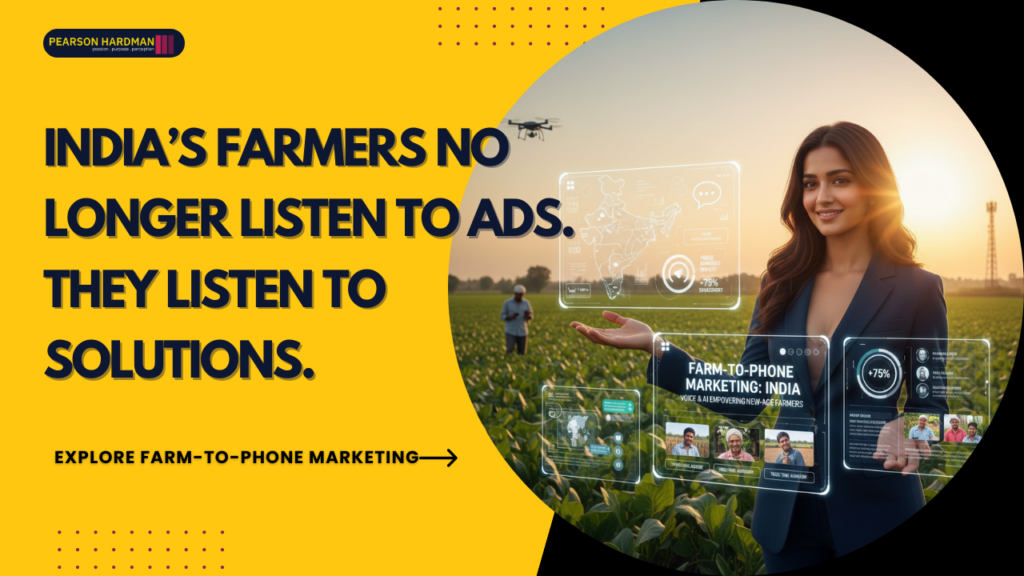
India’s farming landscape is changing quietly but powerfully. A generation ago, agricultural decisions were driven by word of mouth, local traders, and seasonal habits passed down through families. Today, even in remote villages, farmers carry smartphones, listen to voice advisories, and interact with AI-powered helplines without calling them technology. This shift has created a new marketing frontier known as farm-to-phone marketing, where brands, agri-tech platforms, and government initiatives reach farmers directly through voice, AI, and mobile-first communication.
Farm-to-phone marketing is not about flashy ads or urban-style digital campaigns. It is about trust, language, timing, and relevance. Farmers want practical guidance, not promotions. They value voices they recognize, answers they can understand, and technology that respects their realities. In this blog, you will learn how farm-to-phone marketing works in India, why voice and AI are outperforming traditional digital channels, and how brands can ethically and effectively connect with new-age farmers at scale.
Understanding Farm-to-Phone Marketing in the Indian Context
Farm-to-phone marketing refers to the use of mobile phones as the primary channel to deliver information, advisory services, and brand communication directly to farmers. Unlike urban digital marketing, this model prioritizes accessibility over aesthetics and usefulness over persuasion. Voice calls, IVR systems, WhatsApp voice notes, and AI chatbots in local languages form the backbone of this approach.
India has over 650 million people connected to the internet, but literacy, language diversity, and digital comfort vary widely. Many farmers may not read long text messages, but they will listen carefully to a two-minute voice call that explains weather changes or crop protection advice. This is why farm-to-phone marketing relies heavily on voice technology rather than text-heavy platforms.
What makes this approach powerful is its intimacy. A phone call or voice message feels personal. When delivered in the farmer’s native language and timed around sowing or harvesting cycles, it becomes part of their daily decision-making process. Brands that understand this shift are no longer advertising to farmers. They are assisting them.
Why Voice-Based Marketing Works Better Than Text for Farmers
Voice is the most natural form of communication, especially in rural India. Farmers are used to learning through conversation, not reading manuals. Voice-based marketing respects this cultural preference and removes barriers created by literacy levels or smartphone complexity.
When a farmer receives a voice advisory about pest outbreaks or fertilizer dosage, they do not need to navigate an app or read instructions. They simply listen and act. This simplicity increases engagement and recall. Studies across agri-tech platforms have shown that voice messages achieve significantly higher response rates than SMS or app notifications in rural regions.
Voice also builds trust faster. Hearing a calm, familiar tone in a local dialect creates credibility that text cannot match. Over time, farmers begin to recognize and rely on certain voices, associating them with accurate advice. This trust is the foundation of successful farm-to-phone marketing strategies.
The Role of AI in Reaching New-Age Farmers
Artificial intelligence has transformed farm-to-phone marketing from one-way communication into an interactive experience. AI-powered voice assistants and chatbots can now answer farmer queries in real time, using simple language and contextual understanding.
For example, a farmer can call an AI helpline and ask about crop diseases by describing symptoms verbally. The system analyzes the input, matches it with agricultural databases, and responds with actionable guidance. This reduces dependency on local middlemen and increases access to expert knowledge.
AI also enables personalization at scale. Based on location, crop type, weather patterns, and past interactions, AI systems can deliver tailored advice to each farmer. This level of relevance makes marketing messages feel helpful rather than intrusive, strengthening long-term engagement.
Language Localization and Cultural Sensitivity
India’s linguistic diversity is both a challenge and an opportunity in farm-to-phone marketing. Farmers are far more receptive when communication happens in their local language or dialect. A Hindi message may work in one region but fail completely in another where Marathi, Telugu, or Bhojpuri dominates.
Successful campaigns invest in hyper-local language models and culturally aware scripts. This includes using familiar agricultural terms, local crop names, and region-specific examples. AI systems trained on regional speech patterns perform better and feel more human to users.
Cultural sensitivity also extends to timing and tone. Messages delivered early in the morning or late evening align better with farmers’ routines. A respectful, advisory tone works far better than aggressive sales messaging. Brands that ignore these nuances often struggle to gain adoption.
Real-World Examples of Farm-to-Phone Marketing in Action
Several agri-tech platforms in India have demonstrated the effectiveness of farm-to-phone marketing. Voice-based weather alerts have helped farmers prepare for unexpected rainfall. AI-driven advisory calls have reduced crop losses by identifying pest risks early.
In one case, a fertilizer brand partnered with a voice advisory service to educate farmers about correct nutrient usage. Instead of promoting products directly, they focused on soil health education. Over time, farmers naturally gravitated toward the brand because it had earned their trust.
Another example involves dairy farmers using voice bots to track milk prices and collection schedules. This reduced uncertainty and improved income planning. These stories highlight how farm-to-phone marketing succeeds when value comes before promotion.
Data, Privacy, and Ethical Considerations
With increased use of AI and voice data, ethical responsibility becomes critical. Farmers must know how their data is being used and must have the option to opt out. Transparency builds trust and prevents misuse.
Ethical farm-to-phone marketing avoids fear-based messaging or misinformation. It prioritizes accuracy, source credibility, and farmer welfare. Brands that misuse this channel for aggressive sales risk long-term damage to their reputation.
Regulatory compliance with data protection laws and consent-based communication is essential. Respecting privacy is not just a legal requirement. It is a trust signal in rural markets where word travels fast.
Monetization and High-Value Opportunities for Brands
Farm-to-phone marketing offers high CPC and CPM potential because it reaches a niche but highly relevant audience. Agricultural inputs, insurance, farm equipment, financial services, and agri-fintech platforms benefit greatly from targeted voice campaigns.
Unlike mass advertising, farm-to-phone marketing minimizes waste. Every message reaches someone who is likely to act on it. This efficiency improves ROI and supports sustainable monetization models through subscriptions, sponsored advisories, and affiliate partnerships.
Brands that position themselves as long-term partners in the farmer’s journey gain loyalty that extends across seasons and generations.
The Future of Farm-to-Phone Marketing in India
As smartphone penetration deepens and AI models become more conversational, farm-to-phone marketing will evolve into a two-way ecosystem. Farmers will not just receive information. They will contribute data, feedback, and insights that improve agricultural intelligence nationwide.
Voice commerce, predictive advisories, and AI-driven crop planning will become mainstream. The brands that succeed will be those that remain grounded in empathy, simplicity, and usefulness.
Farm-to-phone marketing is not a trend. It is the natural evolution of communication in rural India.
Conclusion
Farm-to-phone marketing represents a rare opportunity where technology, empathy, and business goals align. By using voice and AI responsibly, brands can empower farmers, improve productivity, and build trust at scale. The future of rural marketing belongs to those who listen before they speak and serve before they sell.