Introduction
In 2026, the way brands engage with audiences has changed dramatically. Traditional exhibitions and trade shows are no longer limited to physical booths and printed brochures. Businesses now aim to create immersive experiences that connect both in-person attendees and digital audiences simultaneously. This is where phygital events 2026 are transforming the landscape of marketing, brand promotion, and audience engagement.
Mumbai has emerged as one of India’s most vibrant hubs for large-scale hybrid trade shows. From technology expos to real estate summits and startup conventions, organizers are blending physical environments with powerful digital tools to create unforgettable moments. When executed correctly, these moments spread rapidly across social media, attract media coverage, and generate massive online visibility for participating brands.
Many businesses still struggle to understand how to design such experiences. They know hybrid events are important, but they often miss the elements that make content shareable, engaging, and viral. The secret lies in combining technology, storytelling, and audience participation into one seamless experience.
This blog explores how phygital events 2026 are redefining hybrid trade shows in Mumbai. You will learn how brands are creating viral moments, the technologies driving engagement, and practical strategies companies can use to make their event presence memorable and impactful.
Also Read: Global Media Placements from Pune: How Local Brands Win Media Placements in NYC & London
Understanding Phygital Events 2026 and Why They Matter
The term phygital events 2026 refers to experiences that merge physical event spaces with digital interactions. Instead of treating online participation as a secondary feature, phygital events integrate it deeply into the event design.
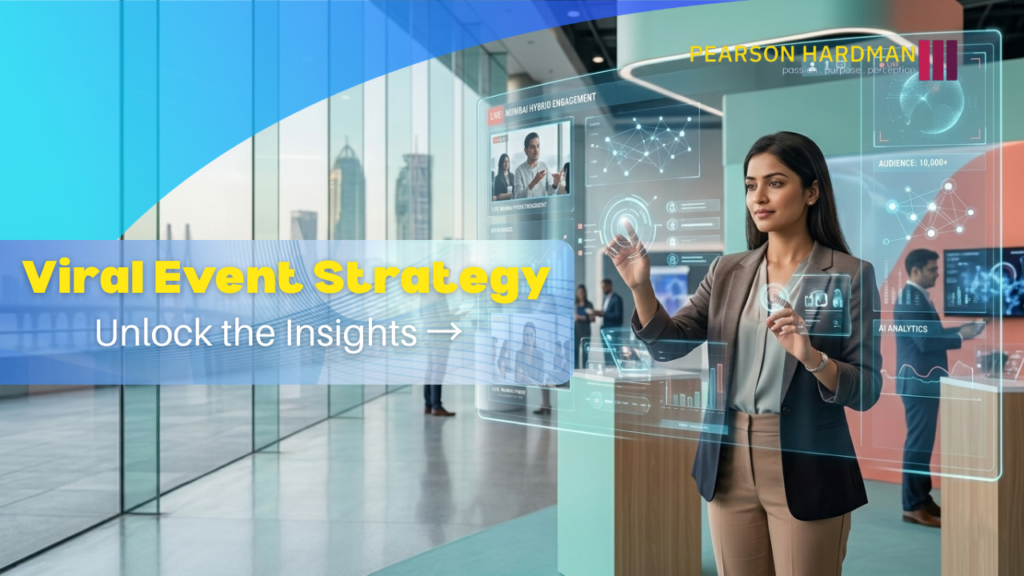
At a hybrid trade show in Mumbai today, a visitor might walk through an exhibition hall while scanning QR codes, participating in live polls, interacting with augmented reality displays, or joining a livestream discussion happening simultaneously across the globe. Every interaction becomes content that can be shared online instantly.
This transformation has been accelerated by changing audience expectations. Modern attendees want more than static presentations or sales pitches. They want interactive experiences that allow them to participate, discover, and share. When these interactions are thoughtfully designed, they naturally generate social media buzz.
For brands, phygital events 2026 provide a powerful opportunity to reach two audiences at once. The physical audience inside the venue experiences the event directly, while the digital audience engages through live streams, social media platforms, and virtual booths. This dual exposure dramatically increases reach and return on investment.
Mumbai, being one of Asia’s most dynamic business centers, is the perfect environment for this shift. The city hosts major industry exhibitions, technology conferences, and startup events that attract both domestic and international participants. As a result, hybrid trade shows here are evolving rapidly with innovative phygital strategies.
Why Hybrid Trade Shows in Mumbai Are Going Viral
Mumbai’s trade show ecosystem is highly competitive. Event organizers and exhibitors constantly look for ways to stand out in crowded exhibition halls. This competition has pushed brands to experiment with new engagement formats, leading to the rise of viral moments at hybrid events.
One of the key reasons phygital events 2026 are gaining momentum is the strong digital culture among Indian audiences. Attendees often share their experiences instantly on Instagram, LinkedIn, and YouTube. If an event activation is visually appealing or interactive, it quickly becomes social media content.
Another reason is the increasing presence of global brands at Mumbai exhibitions. International companies bring advanced event technologies and creative marketing strategies, which inspire local brands to innovate as well.
A hybrid trade show in Mumbai today often becomes more than a business gathering. It becomes a content creation hub where influencers, journalists, entrepreneurs, and digital creators capture moments that spread online within minutes.
This viral potential is precisely why companies are investing more resources into designing unique phygital experiences.
The Technology Behind Phygital Events 2026
Technology plays a central role in making phygital events 2026 engaging and shareable. While the concept revolves around blending physical and digital experiences, the execution depends on multiple advanced tools working together seamlessly.
Augmented reality and virtual reality have become particularly popular at trade shows. Brands use AR experiences to allow visitors to interact with products digitally before making purchasing decisions. A real estate developer, for instance, might showcase a virtual walkthrough of a luxury property using VR headsets, allowing attendees to explore the space without leaving the exhibition booth.
Another powerful technology is live interactive streaming. Instead of simply broadcasting presentations online, hybrid trade shows now include real-time audience participation. Remote attendees can ask questions, vote in polls, and even appear on screens inside the physical venue.
Artificial intelligence is also transforming event engagement. Smart recommendation systems help attendees discover relevant sessions, connect with potential partners, and navigate large exhibition halls more efficiently.
All these tools contribute to creating memorable moments that audiences naturally want to record and share online.
Creating Viral Moments at Hybrid Trade Shows
Viral moments rarely happen by accident. In most successful phygital events 2026, these moments are intentionally designed by marketing teams.
A great example is the use of interactive installations. Imagine a booth where visitors can generate a personalized AI avatar, which instantly appears on a large screen alongside other participants. Within seconds, attendees start recording videos and sharing them online.
Storytelling also plays a major role. Instead of presenting products in a conventional way, brands often create immersive narratives around them. A technology company might design a futuristic experience where visitors move through different zones representing stages of digital transformation.
Another strategy involves gamification. Trade show attendees enjoy participating in challenges that reward them with exclusive merchandise, digital collectibles, or networking opportunities. When these activities are visually engaging, they become perfect social media content.
These carefully designed experiences ensure that every visitor becomes a potential promoter of the event.
The Role of Social Media in Amplifying Phygital Events
Social media is the engine that turns physical experiences into viral content. During phygital events 2026, platforms such as LinkedIn, Instagram, and YouTube act as real-time broadcasting channels.
Event organizers now create dedicated hashtags and encourage attendees to share their experiences. Screens placed throughout the venue display live social media feeds, motivating visitors to participate in the conversation.
Influencer collaborations have also become common. Industry experts, creators, and media professionals are invited to attend hybrid trade shows and share insights with their audiences. Their posts often reach thousands or even millions of viewers within hours.
Short-form video content is particularly powerful in this environment. A 20-second clip showing an interactive booth or a live product demonstration can quickly gain traction across multiple platforms.
For brands, this organic exposure is incredibly valuable. It extends the impact of the event far beyond the physical venue.
How Brands Can Design Successful Phygital Event Strategies
While the concept of phygital events 2026 sounds exciting, successful execution requires strategic planning. Companies must think about the entire attendee journey, from the moment someone registers online to the moment they share their experience on social media.
The first step is identifying the story the brand wants to communicate. Every activation at the event should reinforce that narrative. Without a clear message, even the most advanced technology can feel disconnected.
The second step is designing interactive touchpoints throughout the experience. Visitors should be able to participate actively rather than simply observe. Whether through AR demonstrations, live Q&A sessions, or collaborative digital displays, engagement must remain at the center.
Another important factor is content design. Brands should anticipate which moments will look visually appealing and encourage attendees to capture them on camera. Lighting, screens, and stage layouts play a significant role in making experiences shareable.
Finally, companies must integrate data analytics into their event strategy. By tracking interactions, downloads, and online engagement, brands can measure the real impact of their participation in hybrid trade shows.
The Business Impact of Phygital Events
For many organizations, phygital events 2026 are not just marketing experiments. They have become powerful revenue drivers.
Hybrid trade shows enable brands to generate leads from both physical and digital audiences simultaneously. While attendees at the venue might engage directly with sales teams, online participants can download brochures, schedule virtual meetings, or request product demonstrations.
Another advantage is long-term content value. Sessions recorded during the event can be repurposed into webinars, social media clips, or educational content for months afterward. This significantly extends the lifespan of the event.
Furthermore, phygital experiences strengthen brand perception. When a company demonstrates innovation through its event presence, it positions itself as a forward-thinking industry leader.
This combination of immediate engagement and long-term visibility explains why more businesses are investing heavily in hybrid trade show strategies.
The Future of Phygital Events in Mumbai
Looking ahead, phygital events 2026 will likely become the standard format for major exhibitions in Mumbai. As technology continues to evolve, the line between physical and digital participation will become even more seamless.
Artificial intelligence will play a bigger role in personalizing event experiences. Attendees may receive customized recommendations for sessions, booths, and networking opportunities based on their interests.
Another emerging trend is the integration of immersive environments such as holographic presentations and mixed reality stages. These innovations will make hybrid trade shows even more engaging and visually spectacular.
Sustainability will also influence event design. Digital participation reduces travel requirements, helping companies minimize their environmental impact while still reaching global audiences.
All these trends indicate that the future of events lies in the fusion of technology, storytelling, and human connection.
Also Read: Influencer vs Traditional Media: What Do Indians Trust More?
Conclusion
The rise of phygital events 2026 marks a major shift in how businesses approach trade shows and exhibitions. Instead of focusing only on physical interactions, brands now design experiences that merge real-world engagement with digital storytelling.
In a city like Mumbai, where innovation and entrepreneurship thrive, hybrid trade shows are becoming powerful platforms for creating viral moments. Interactive technology, compelling narratives, and social media amplification are transforming these events into global marketing opportunities.
For companies willing to embrace this evolution, the rewards are significant. A well-executed phygital strategy not only attracts attention during the event but also generates lasting visibility across digital channels.
The future of events is no longer purely physical or purely digital. It is the intelligent combination of both.