Introduction
For years, brands have depended on static documents to define their identity. A well-designed PDF filled with logos, typography rules, color palettes, and tone of voice guidelines was considered the gold standard. It looked professional, it felt structured, and it gave businesses a sense of control over their communication. But in today’s fast-moving digital ecosystem, that approach is quickly becoming outdated.
Modern brands operate in an environment where content is created and distributed in real time. Teams are working across multiple cities, AI tools are generating content at scale, and audiences are interacting with brands across dozens of platforms. In such a dynamic landscape, a static PDF cannot keep up. It becomes outdated, underused, and often ignored by teams who need faster and more intuitive solutions.
This is where Living Brand Guidelines come into play. Instead of relying on a fixed document, brands are now shifting toward intelligent systems known as Brand Neural Systems. These systems are dynamic, adaptable, and integrated into everyday workflows, ensuring consistency without slowing down creativity.
In this article, you will learn why living brand guidelines are becoming essential, how traditional PDFs are failing modern businesses, and how a neural system can transform your brand into a scalable and future-ready asset.
What Are Living Brand Guidelines
Living brand guidelines are not just a document stored in a folder. They are an evolving system that defines how your brand communicates, looks, and behaves across every touchpoint. Unlike traditional guidelines that remain static until manually updated, living brand guidelines continuously evolve based on business needs, audience behavior, and market trends.
Think of your brand as a living organism. It grows, adapts, and responds to changes in its environment. A static PDF cannot reflect these changes effectively. However, a living system updates itself in real time, ensuring that everyone in your organization is aligned with the latest version of your brand identity.
For example, if your company decides to shift its tone from formal to conversational, a living brand system will instantly reflect this change across all platforms. Content creators, designers, and even AI tools will automatically follow the updated guidelines. This eliminates confusion and ensures that your brand voice remains consistent.
In simple terms, living brand guidelines transform your brand from a set of rules into an intelligent system that supports creativity while maintaining control.
Also Read: CGI & Virtual Influencers: The Future of Brand Safety and Scale in 2026
Why Traditional PDF Brand Guidelines Are No Longer Effective
Static Documents Cannot Match Dynamic Marketing
The biggest limitation of traditional brand guidelines is their static nature. Once a PDF is created, it often remains unchanged for months or even years. Meanwhile, your brand continues to evolve, creating a gap between what is documented and what is actually practiced.
This gap leads to inconsistencies. Marketing teams may create campaigns that do not align with the original guidelines, designers may interpret visual rules differently, and AI-generated content may lack brand alignment. Over time, this inconsistency weakens your brand identity and confuses your audience.
Low Adoption Across Teams
Another critical issue is usability. Most employees do not actively refer to a lengthy PDF while working on daily tasks. Even if they do, finding specific information within a document can be time-consuming. As a result, teams often rely on their own interpretations, which leads to variations in brand communication.
Living brand guidelines solve this problem by integrating directly into workflows. Instead of searching for information, users receive real-time guidance while creating content. This makes brand compliance effortless and natural.
Lack of Integration with Modern Tools
In 2026, branding is deeply connected with technology. From AI content generation to automated marketing campaigns, tools play a crucial role in how brands operate. However, traditional PDFs are not designed to integrate with these tools.
A brand neural system, on the other hand, connects seamlessly with design software, content platforms, and AI tools. This ensures that every output, whether created by a human or a machine, aligns with the brand’s identity.
Understanding the Brand Neural System
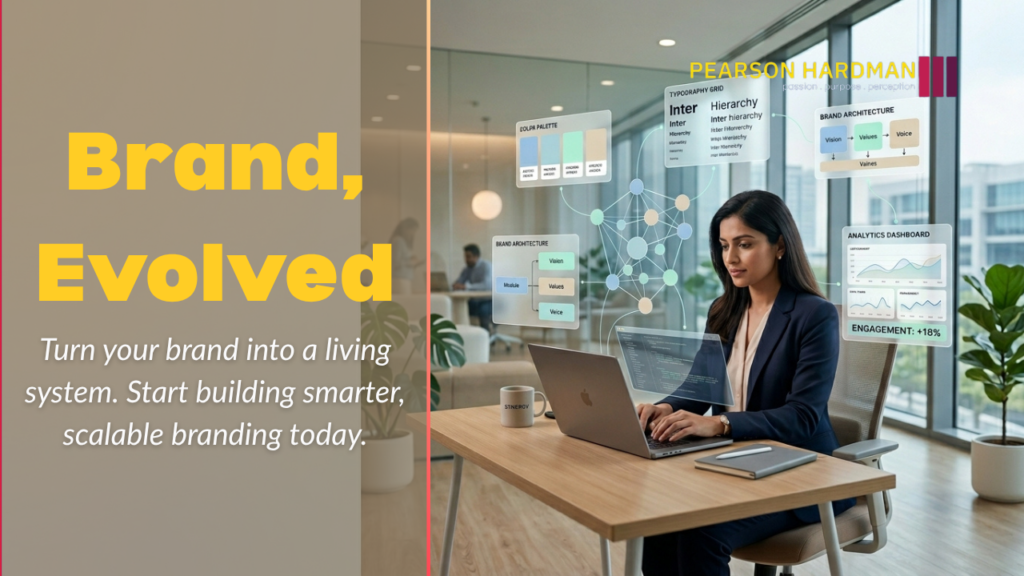
A Brand Neural System is an advanced framework that acts as the brain of your brand. It connects all elements of your brand identity into a unified and intelligent ecosystem. Just like the human brain processes information and coordinates actions, this system ensures that every aspect of your brand works together seamlessly.
At its core, a brand neural system stores structured data about your brand. This includes tone of voice rules, messaging frameworks, visual elements, and audience insights. These components are interconnected, allowing the system to provide context-aware guidance.
For example, when a marketer creates a campaign, the system can suggest headlines, visuals, and messaging styles that align with the brand. If a designer is working on a new layout, the system ensures that all visual elements follow approved guidelines.
What makes this system powerful is its ability to learn and adapt. By analyzing performance data and user behavior, it continuously improves its recommendations. This transforms branding from a static process into a dynamic and intelligent function.
Key Elements That Make Living Brand Guidelines Powerful
Real-Time Updates and Consistency
One of the most significant advantages of living brand guidelines is real-time updates. When changes are made, they are instantly reflected across all teams and platforms. This eliminates the need for multiple versions of documents and ensures that everyone is working with the latest information.
Consistency is crucial for building trust. When your audience sees the same tone, visuals, and messaging across all channels, it strengthens your brand identity. Living brand guidelines make this consistency effortless.
Seamless Collaboration Across Teams
Modern businesses operate with cross-functional teams. Marketing, design, PR, and content teams all contribute to brand communication. Without a unified system, maintaining alignment becomes challenging.
A brand neural system acts as a single source of truth. It ensures that all teams are aligned, regardless of their location or role. This improves collaboration and reduces misunderstandings.
AI Integration for Scalable Branding
AI is transforming the way brands create content. However, without proper guidance, AI-generated content can lack consistency. Living brand guidelines provide the structured data needed for AI tools to produce on-brand outputs.
This integration allows businesses to scale their content production without compromising quality. It also reduces the time spent on editing and approvals.
Modular Design and Content Systems
Instead of starting from scratch, teams can use pre-approved components stored within the system. These components include templates, design elements, and messaging frameworks.
This modular approach not only speeds up production but also ensures that all outputs align with the brand. It creates a balance between efficiency and creativity.
Real-World Shift: From Static Branding to Intelligent Systems
Imagine a growing company that initially relied on a PDF for its brand guidelines. As the company expanded, new teams joined, and content production increased. Over time, inconsistencies started to appear. Social media posts felt disconnected, ad campaigns lacked cohesion, and internal teams struggled to stay aligned.
To address these challenges, the company adopted living brand guidelines. They created a centralized system that integrated with their daily tools. This allowed teams to access real-time guidance and ensured that all outputs followed the same brand standards.
The transformation was significant. Content became more consistent, production speed increased, and teams felt more confident in their work. Most importantly, the brand developed a stronger and more recognizable identity.
This shift is not limited to large enterprises. Businesses of all sizes are adopting this approach to stay competitive in a rapidly changing market.
Why Living Brand Guidelines Are Essential for 2026 and Beyond
The future of branding is not static. It is adaptive, intelligent, and deeply integrated with technology. As businesses continue to adopt AI and automation, the need for dynamic systems will only grow.
Living brand guidelines provide the foundation for this future. They enable brands to maintain consistency while embracing innovation. They allow teams to work faster without compromising quality. And they ensure that every interaction with the audience reflects the true essence of the brand.
In a world where attention spans are short and competition is high, consistency and clarity are more important than ever. A brand neural system gives you the tools to achieve both.
How to Start Building Living Brand Guidelines
Transitioning from a PDF to a neural system may seem complex, but it can be done step by step. The first step is to evaluate your current brand guidelines and identify areas that need improvement. This includes outdated messaging, unclear rules, and gaps in your visual identity.
Next, you need to structure your brand data. Break down your guidelines into components such as tone of voice, messaging pillars, and design elements. This makes it easier to integrate them into a system.
Choosing the right tools is also important. Look for platforms that support collaboration, integration, and scalability. Your goal is to create a system that fits seamlessly into your existing workflows.
Finally, focus on adoption. Train your team, encourage usage, and continuously optimize the system based on feedback. Remember, a living brand guideline is not a one-time project. It is an ongoing process that evolves with your business.
Also Read: Mental Health Tech Marketing Ethical Lead Generation in 2026
Conclusion
The shift from static PDFs to living brand guidelines is not just a trend. It is a necessary evolution in how brands operate in the digital age. A brand neural system transforms your brand into an intelligent, adaptable, and scalable asset.
If your business still relies on traditional guidelines, now is the time to rethink your approach. Because in a world driven by speed, technology, and constant change, your brand needs more than rules. It needs a system that can think, adapt, and grow with you.
The future belongs to brands that are not just defined, but alive.