Introduction
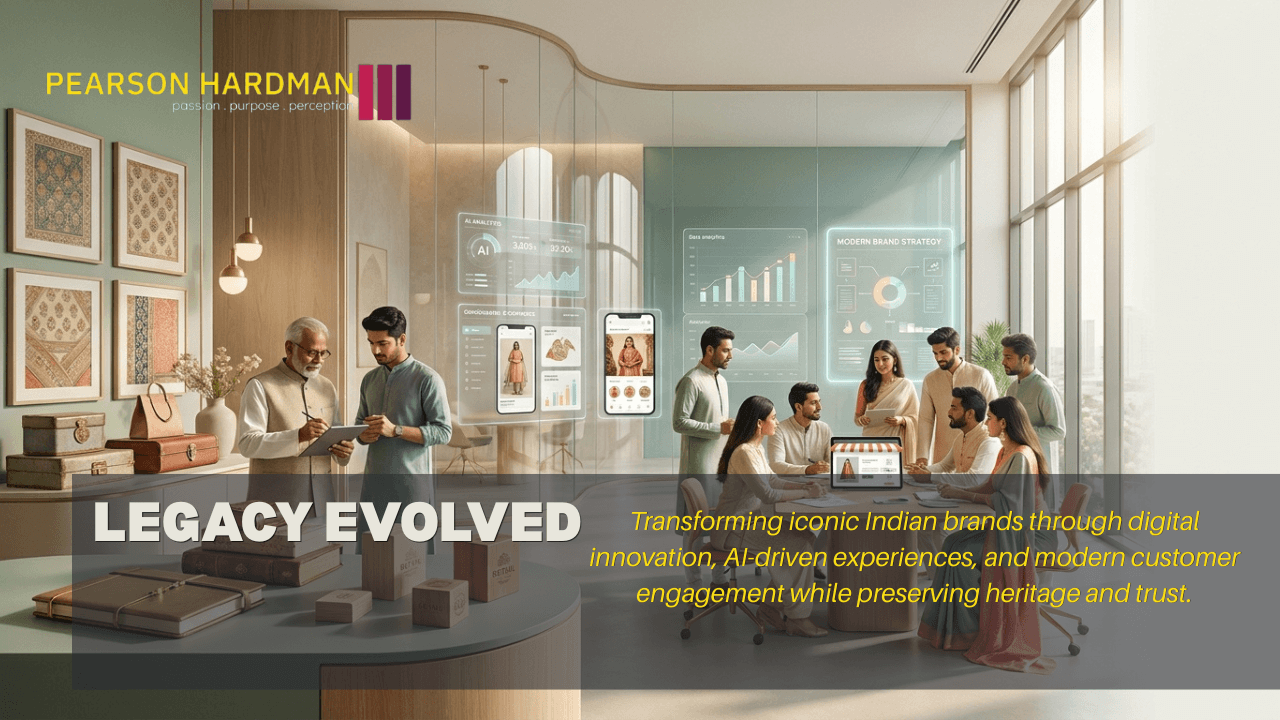
India is home to some of the world’s most emotionally connected legacy businesses. From household FMCG companies and textile giants to iconic jewelry stores and family-owned retail chains, many Indian brands that started in the 1960s and 1970s still hold a special place in consumers’ minds. However, the rise of digital commerce, Gen Z consumer behavior, AI-powered marketing, and experience-driven branding has changed the business landscape dramatically. This shift has forced several traditional companies to rethink how they operate, market, and communicate with modern audiences.
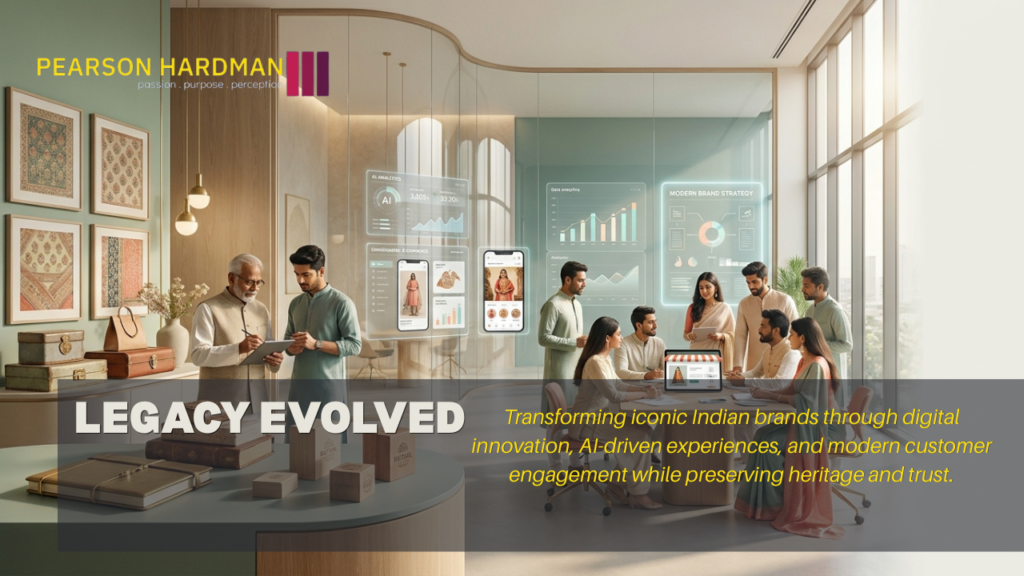
The idea of modernizing 50-year-old Indian brands is no longer just about redesigning a logo or launching an Instagram page. It is about preserving heritage while adapting to changing customer expectations. Consumers today want convenience, personalization, digital trust, sustainability, and authentic storytelling. Legacy brands that fail to evolve often struggle against agile startups that understand digital-first behavior better.
At the same time, heritage brands possess something that startups spend years trying to build: trust. Decades of customer loyalty, emotional connection, product consistency, and cultural familiarity give old Indian brands a strong foundation. The challenge lies in transforming that legacy into a future-ready business model without losing authenticity.
In this article, we will explore how legacy Indian businesses are reinventing themselves for 2026 and beyond. We will examine successful modernization strategies, branding transformations, digital adoption, customer experience innovations, and the role of AI, eCommerce, and storytelling in reshaping traditional Indian companies. Whether you run a family business, a heritage retail brand, or a long-established manufacturing company, this guide will help you understand how to stay relevant in a rapidly evolving market.
Also Read: Zero-Click SEO: Dominating Google Page 1 without Clicks
Why Legacy Indian Brands Are Facing Pressure to Modernize
India’s consumer economy has undergone a massive transformation in the last decade. Smartphone penetration, UPI payments, social commerce, and digital marketplaces have changed how people discover and buy products. Consumers are no longer loyal simply because a brand has existed for decades. They now compare experiences, online reviews, pricing transparency, and digital convenience before making purchasing decisions.
Traditional Indian brands often struggle because their business systems were built for a different generation. Many relied heavily on offline distribution, newspaper advertising, dealer networks, and word-of-mouth marketing. While these methods once worked effectively, they are not enough in today’s attention economy where digital visibility directly impacts revenue growth.
Another major challenge is generational transition. Many family-run Indian businesses are now being managed by second or third-generation leaders who understand technology and digital branding better than their predecessors. These younger leaders are introducing data analytics, performance marketing, customer relationship management systems, and AI-powered business tools into companies that once relied purely on instinct and traditional business practices.
At the same time, modern consumers are emotionally attracted to authenticity and heritage. Interestingly, this creates a huge opportunity for legacy businesses. While startups spend millions trying to establish trust, older brands already possess credibility. The key lies in presenting that heritage in a modern and relatable way.
The Emotional Power of Heritage Branding
One reason why modernizing 50-year-old Indian brands can be highly successful is emotional memory. Indian consumers often associate heritage brands with family traditions, childhood experiences, and cultural familiarity. This emotional connection becomes a powerful competitive advantage when combined with modern digital branding.
Consider how several traditional Indian food brands have successfully reintroduced themselves to younger audiences. Instead of abandoning their roots, they amplified them. They showcased family recipes, regional authenticity, and nostalgic storytelling while upgrading packaging, eCommerce accessibility, and influencer marketing strategies.
Modern consumers appreciate brands with history because history signals reliability. A brand that has survived for five decades naturally communicates stability and trustworthiness. In an era of temporary internet trends and fast-moving startups, this trust becomes extremely valuable.
However, heritage alone is not enough. Consumers also expect convenience, digital responsiveness, and modern aesthetics. The smartest legacy companies understand that modernization does not mean erasing tradition. It means presenting tradition through contemporary experiences.
Digital Transformation Is the Backbone of Brand Reinvention
For heritage businesses, digital transformation is not optional anymore. It is essential for survival and growth. The process usually starts with modernizing internal operations and customer-facing systems.
Many traditional Indian companies have begun implementing cloud-based ERP solutions, AI-driven customer support systems, automated inventory management, and omnichannel retail experiences. These changes improve operational efficiency while enhancing customer satisfaction.
Digital transformation also changes how brands communicate. Earlier, legacy businesses depended heavily on television, print media, and physical retail visibility. Today, social media marketing, YouTube storytelling, search engine optimization, influencer collaborations, and WhatsApp commerce play a major role in consumer engagement.
One fascinating trend is the rise of direct-to-consumer strategies among old Indian brands. Previously, these businesses depended entirely on distributors and retailers. Now, many are launching their own eCommerce websites to control customer experience and gather valuable first-party consumer data.
This shift helps businesses understand purchasing behavior, customer preferences, repeat buying patterns, and product feedback more effectively. Data-driven decision-making allows traditional businesses to compete with digitally native startups on a more equal footing.
How Indian Heritage Brands Are Winning on Social Media
A major misconception among traditional businesses is that younger consumers are not interested in old brands. In reality, Gen Z and millennials actively engage with heritage brands when storytelling feels authentic and visually engaging.
Social media platforms like Instagram, YouTube, and LinkedIn have become essential tools for modernizing 50-year-old Indian brands. Companies are now showcasing behind-the-scenes craftsmanship, founder stories, manufacturing traditions, and customer memories to build emotional engagement.
Brands that once appeared outdated are now creating relatable content that balances nostalgia with modern relevance. Instead of speaking like corporations, they are speaking like people. This human-centered communication style creates stronger audience trust.
Short-form video content has also played a huge role in brand revival. A traditional textile company can now demonstrate weaving techniques through reels. A heritage jewelry brand can tell stories about wedding traditions. A decades-old food company can share regional recipes and family moments.
The result is deeper audience engagement and stronger digital discoverability.
Rebranding Without Losing Identity
One of the most delicate parts of modernization is rebranding. Many old Indian businesses fear that changing visual identity may alienate loyal customers. This concern is understandable because heritage itself is a valuable asset.
Successful rebranding focuses on evolution rather than replacement. Instead of removing historical identity, brands refine and modernize it. This may include updated typography, cleaner packaging, refreshed logos, modern websites, and improved customer experiences while preserving core brand values.
Consumers usually respond positively when changes feel respectful and purposeful. Problems arise only when companies completely disconnect from their roots in pursuit of trend-driven branding.
A good example is the shift toward minimalist packaging among heritage FMCG companies. Earlier packaging designs often looked cluttered and outdated. Modern packaging retains traditional color schemes and symbols while adopting cleaner visual structures suitable for digital marketplaces.
This balance between familiarity and freshness helps brands appeal to both older and younger consumers simultaneously.
The Role of AI and Data Analytics in Legacy Business Growth
Artificial intelligence is becoming one of the most transformative forces for traditional Indian businesses. Earlier, AI tools were accessible mainly to large enterprises. Today, affordable SaaS platforms allow even mid-sized heritage companies to use predictive analytics, customer segmentation, automated marketing, and personalized recommendations.
AI-driven marketing helps legacy businesses improve customer targeting. Instead of generic advertising, brands can now deliver personalized communication based on user behavior, demographics, and purchase history.
For example, a heritage clothing brand can recommend festive collections based on regional shopping patterns. A traditional beauty brand can personalize skincare recommendations using AI-powered product matching systems.
Data analytics also helps companies make smarter inventory decisions, optimize supply chains, and predict consumer demand more accurately. This reduces operational waste and improves profitability.
Importantly, AI does not replace heritage. It enhances the ability to deliver heritage experiences more efficiently and personally.
Why Sustainability Matters for Old Indian Brands
Modern consumers increasingly prefer businesses that demonstrate environmental responsibility. For traditional Indian companies, sustainability is not just a marketing trend. It is an opportunity to reconnect with original values of craftsmanship, durability, and mindful production.
Many old Indian brands already have sustainable practices embedded within their history. Handcrafted production, locally sourced materials, repair culture, and low-waste manufacturing existed long before sustainability became a global business strategy.
The challenge lies in communicating these strengths effectively to modern audiences.
Consumers today want transparency. They want to know where products come from, how workers are treated, and what environmental impact the business creates. Heritage brands that openly communicate ethical practices often build stronger consumer trust.
Sustainability storytelling also works exceptionally well in digital marketing because younger audiences actively support purpose-driven businesses.
Family Businesses and the New Generation Leadership Shift
A major force behind the modernization of 50-year-old Indian brands is generational leadership transition. Younger business leaders are blending traditional business wisdom with modern growth strategies.
Unlike earlier generations that focused mainly on operational expansion, today’s leaders prioritize customer experience, branding, technology adoption, and digital scalability. They understand the importance of SEO, influencer partnerships, content marketing, and online reputation management.
Many family businesses are also hiring external consultants, digital transformation experts, and brand strategists to accelerate modernization efforts. This willingness to collaborate represents a major cultural shift in traditional Indian business ecosystems.
Importantly, successful modernization usually happens when senior leadership supports innovation instead of resisting it. Businesses that combine generational wisdom with technological adaptability often achieve the strongest long-term growth.
Omnichannel Retail Is Reshaping Consumer Expectations
Modern consumers expect seamless movement between online and offline experiences. This expectation has significantly impacted traditional retail businesses across India.
Heritage brands that once depended solely on physical stores are now integrating digital commerce into customer journeys. Consumers may discover products on Instagram, research them on websites, compare reviews on marketplaces, and finally purchase either online or offline.
This omnichannel behavior requires businesses to maintain consistent branding, pricing, customer service, and inventory visibility across all platforms.
Successful legacy brands are investing heavily in user-friendly websites, mobile commerce optimization, fast delivery systems, and integrated customer support. Some are even using augmented reality and virtual try-on technologies to enhance shopping experiences.
The goal is simple: preserve traditional trust while delivering modern convenience.
Real Challenges in Modernizing Old Indian Businesses
While modernization creates opportunities, the process is not always smooth. Many legacy companies face internal resistance, outdated systems, and cultural hesitation around change.
Employees who have worked within traditional structures for decades may struggle to adapt to digital workflows. Business owners may fear losing identity or damaging customer trust through rapid transformation.
Budget constraints can also slow innovation, especially for mid-sized businesses competing against venture-funded startups.
Another challenge involves maintaining consistency during transformation. Some brands modernize their marketing but neglect customer service. Others invest in technology without improving storytelling or product experience.
Successful modernization requires holistic thinking. Technology alone cannot save a business. Neither can branding alone. Sustainable growth happens when operations, marketing, customer experience, and company culture evolve together.
The Future of Heritage Brands in India
The future looks promising for Indian heritage brands that embrace intelligent modernization. Consumers are increasingly seeking authenticity in a world dominated by disposable trends and algorithm-driven content.
Traditional businesses possess unique advantages that modern startups often lack. They have history, credibility, emotional resonance, and proven product quality. When these strengths combine with digital innovation, the result can be extremely powerful.
We are likely to see more heritage brands entering global markets through eCommerce, expanding through D2C channels, and using AI-driven personalization to compete internationally.
Additionally, regional Indian brands may experience significant growth because consumers are becoming more interested in local identity, cultural storytelling, and artisanal craftsmanship.
The next decade may not belong exclusively to startups. It may belong to businesses that successfully merge heritage with innovation.
Also Read: Product Led PR Turning Free Trials into Paid Users in 2026
Conclusion
The story of modernizing 50-year-old Indian brands is ultimately about balance. It is not about abandoning the past or blindly chasing trends. It is about understanding what made these businesses trusted in the first place and translating that trust into modern consumer experiences.
India’s heritage brands possess extraordinary potential because they combine history with emotional depth. In a digital-first economy where authenticity matters more than ever, these businesses already hold a significant advantage. The brands that will thrive are those willing to evolve thoughtfully, invest in technology wisely, and communicate with consumers in a more human and transparent way.
The future belongs to businesses that can preserve trust while continuously evolving with changing consumer expectations and technology. It will also be shaped by old brands brave enough to reinvent themselves while staying true to their roots. Heritage, when re-imagined correctly, becomes one of the most powerful growth assets in the modern economy.