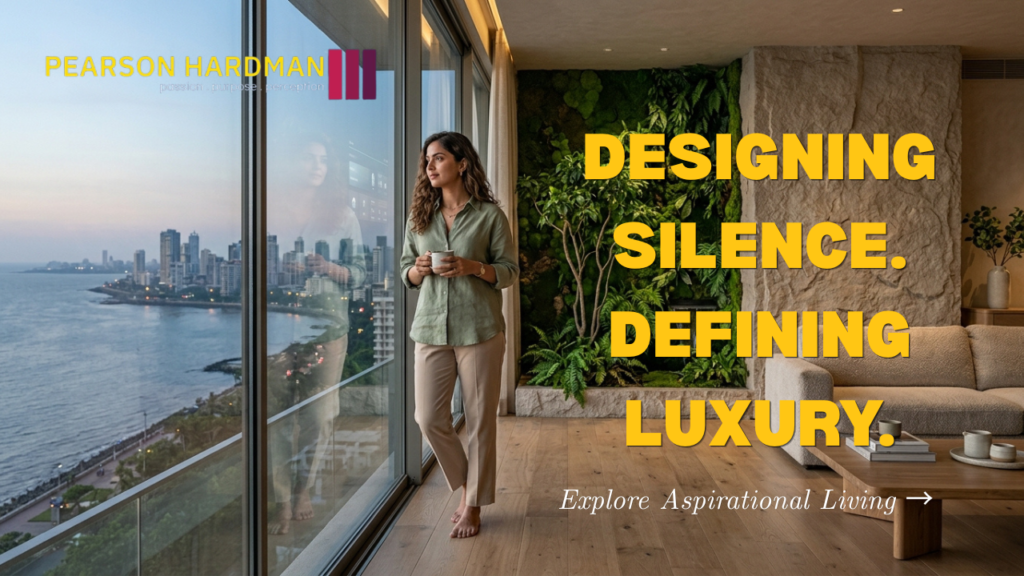
The world of high-end real estate and premium branding is undergoing a fascinating metamorphosis as we move through 2026. For a long time, luxury was defined by excess, gold-plated finishes, and a “more is more” philosophy that shouted for attention. However, today’s high-net-worth individuals are looking for something far more profound and intimate. They are moving toward what many call the architecture of aspiration, where the physical space is not just a place to live but a direct reflection of a curated, quiet, and deeply personal legacy. The problem for developers and marketers is that the old tricks of flashy brochures and generic superlatives no longer work. Modern buyers are looking for subtle luxury design codes that signal exclusivity without being ostentatious. This article explores how these codes are being rewritten to emphasize emotional resonance, structural integrity, and architectural storytelling.
In this deep dive, we will explore the evolving language of premium spaces. You will learn about the shift from “loud luxury” to “quiet elegance” and why materiality is now the ultimate status symbol. We will examine how top-tier developers in cities like Pune and Mumbai are integrating natural elements into vertical living and why architectural storytelling has become the most powerful tool in a marketing agency’s arsenal. By the end of this guide, you will have a clear understanding of the design principles that define the luxury homes of tomorrow and how to market these aspirational spaces to a global audience that values authenticity over hype.
Also Read: The India Opportunity: Why Global Brands are Hiring Pune’s Top Marketing Agency
The Shift from Visible Wealth to Invisible Quality
Luxury design codes in 2026 have moved away from visual noise and toward “invisible quality.” This means that the value of a property is no longer found in a massive chandelier or a branded kitchen alone. Instead, it lies in the things you cannot immediately see, like the acoustic engineering of the walls, the quality of the ambient air filtration, and the way light moves through a room at different times of the day. For a leading marketing agency in Pune, the challenge is communicating this invisible luxury through digital channels. It requires a move toward technical-humanist storytelling, where we explain the “why” behind a specific choice of marble or the engineering behind a floor-to-ceiling glass window that keeps out the tropical heat while inviting the skyline in.
Consider the rise of the “curated lobby” in premium residential projects. It is no longer just an entrance but a transition zone designed to reset the resident’s nervous system after a long day in the city. Using specific materials like hand-finished plaster, reclaimed stone, and soft, indirect lighting creates a sensory experience that speaks to the subconscious. When we market these spaces, we don’t just show a photo of a lobby. We tell the story of the artisans who hand-applied the plaster and the emotional impact of entering a space that feels like a sanctuary. This is the core of the architecture of aspiration: creating an environment that elevates the occupant’s state of being through silent, high-performance design.
Materiality as the New Narrative of Luxury
In the past, luxury was often synonymous with imported Italian marble and French oak. While global materials are still prized, the luxury design codes of 2026 prioritize materiality with a story. Buyers today want to know the provenance of the stone, the sustainability of the wood, and the hand-crafted nature of the metalwork. This shift toward “raw luxury” means that imperfections are celebrated rather than hidden. A dining table made from a single slab of fallen walnut or a floor made of hand-pressed terracotta tiles carries a level of soul that a mass-produced, polished surface lacks. This tactile honesty is what creates a feeling of groundedness in a fast-paced digital world.
At Pearson Hardman, we have noticed that the most successful real estate campaigns are those that focus on the “tactile journey” of a property. We use close-up, high-definition visuals that show the texture of a hand-knotted rug or the grain of a basalt stone wall. By highlighting these details, we are signaling to the buyer that this home is not just a building, but a collection of masterfully curated materials. This approach builds immense trust because it shows that the developer has not cut corners. In a marketplace where everyone claims to be “luxury,” showing the raw, unretouched beauty of the materials is the ultimate proof of quality and the most effective way to market ESG without greenwashing.
Integrating Nature through Vertical Biophilia
The dream of a luxury home has shifted from the suburban mansion to the “vertical villa” in the heart of the city. However, living at height often comes with a sense of detachment from the earth. To solve this, the architecture of aspiration is leaning heavily into vertical biophilia. This goes far beyond placing a few plants on a balcony. It involves integrating micro-climates, indoor waterfalls, and deep-soil terracing that allows for full-sized trees to grow 30 stories above the ground. This integration of nature into high-rise living is a primary design code that satisfies the human need for connection with the natural world.
For a trusted branding partner in India, showcasing these green features is about more than just aesthetics; it is about wellness and psychological peace. We describe these spaces as “breathing architecture.” Imagine a master suite where the air is purified by a wall of living moss or a terrace that acts as a private forest overlooking the Arabian Sea. By using atmospheric storytelling, we help the buyer visualize the experience of waking up to the smell of damp earth and the sound of rustling leaves, even in a dense urban environment. This focus on wellness-driven design is a powerful lead generation tool because it addresses the buyer’s desire for a healthier, more balanced lifestyle.
The Role of Smart Integration in Seamless Living
Smart home technology has evolved from a flashy gimmick to a silent, essential partner in the luxury experience. In 2026, the architecture of aspiration treats technology like a concierge—ever-present but never intrusive. A truly luxury smart home doesn’t require a complex interface; it anticipates the resident’s needs. This includes circadian lighting systems that mimic the natural sun, climate control that adjusts based on occupancy and outdoor humidity, and “digital art” that evolves based on the mood of the inhabitants. The goal is to remove the “friction” of daily life, allowing the resident to focus on their family and their passions.
Marketing these high-tech features requires a delicate touch. If you focus too much on the specs, it feels like a product brochure. Instead, we focus on the “time-saving” and “comfort-enhancing” benefits. We tell the story of a home that prepares itself for your arrival—the lights dimming to a warm glow, the music starting softly, and the security systems activating silently as you step through the door. This seamless integration of smart codes into luxury design is what defines a modern “Grade-A” property. It shows that the developer understands that the ultimate luxury in 2026 is time, and a home that gives you back your time is an aspirational masterpiece.
Also Read: 5 PR Mistakes Brands Make & How to Avoid Them
Conclusion: Crafting the Legacy of Tomorrow
The architecture of aspiration is about more than just building houses; it is about creating the stages upon which life’s most meaningful moments are performed. In 2026, the luxury design codes that matter most are those that favor truth over trend and soul over show. By embracing materiality, biophilic integration, and seamless technology, developers can create spaces that resonate with the deepest desires of the modern human spirit. For those of us in the marketing and PR world, our job is to act as the translators of this vision, ensuring that the story of the home is as beautiful and enduring as the structure itself.
When you align your brand with these aspirational codes, you move from being a commodity to being a landmark. You build a legacy that transcends market fluctuations because you are selling something that people will always crave: a sense of belonging, a feeling of peace, and a space that truly reflects who they are. The future of luxury is quiet, it is honest, and it is deeply connected to the world around it.
Consult Pearson Hardman for strategic PR, branding, and digital growth solutions.