Introduction
In B2B markets, trust is not built through flashy advertising or viral campaigns. It is built through consistency. When a manufacturing plant in Pune depends on cloud infrastructure to monitor operations, downtime is not an inconvenience. It is a financial risk. When a logistics company in Mumbai relies on enterprise software to track shipments across India and global markets, reliability becomes mission critical. This is where Uptime Intelligence moves from a technical metric to a powerful brand differentiator.
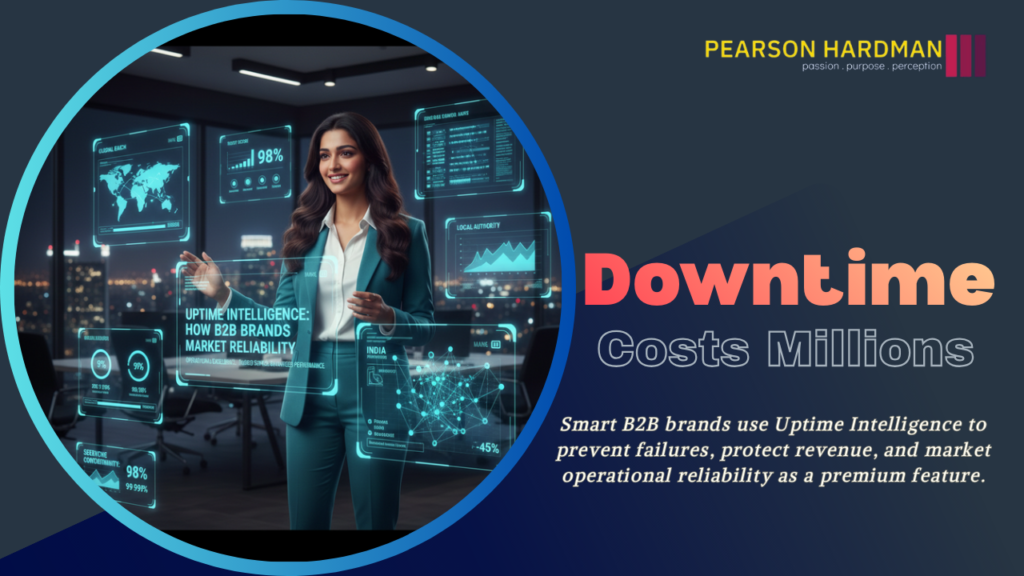
In 2026, B2B buyers no longer evaluate products only by features or price. They evaluate reliability, service continuity, data security, and performance guarantees. Uptime Intelligence allows B2B brands to measure, communicate, and market operational reliability as a strategic advantage. It turns system performance into a visible feature rather than an invisible backend metric.
In this comprehensive guide, you will understand what Uptime Intelligence really means, why it matters in competitive B2B marketing, how brands across India and global markets use it to build authority, and how positioning reliability can directly influence enterprise decision makers. If your brand operates in SaaS, cloud computing, cybersecurity, industrial automation, or infrastructure services, this conversation is not optional. It is essential.
What Is Uptime Intelligence in 2026
Uptime Intelligence refers to the advanced monitoring, predictive analytics, and performance optimization systems that ensure maximum operational availability. Traditionally, uptime was simply a percentage mentioned in service level agreements. Today, Uptime Intelligence goes beyond reporting 99.9 percent availability. It involves proactive system monitoring, AI driven performance analysis, predictive maintenance, and real time alerts that prevent downtime before it occurs.
For B2B brands, especially in enterprise technology and industrial sectors, uptime intelligence has become central to value proposition. Buyers want transparency. They expect detailed uptime reporting dashboards, cloud infrastructure reliability metrics, and compliance with global security standards. Reliability is no longer assumed. It must be demonstrated.
In cities like Bangalore and Delhi, where SaaS startups compete globally, Uptime Intelligence has become a differentiator in investor pitches and enterprise sales conversations. Internationally, cloud providers in the United States and Europe compete heavily on reliability metrics. The message is clear. Performance equals credibility.
Why Reliability Is Now a Marketable Feature
The Shift in B2B Buyer Psychology
Modern B2B buyers conduct deep research before making decisions. They evaluate uptime guarantees, disaster recovery plans, cybersecurity certifications, and performance benchmarks. In high value contracts, even a single hour of downtime can result in significant revenue loss.
A data center provider in Mumbai once positioned itself purely on pricing. However, enterprise clients consistently asked about uptime history and incident response times. When the company invested in advanced uptime intelligence tools and began publishing transparent performance reports, lead quality improved. Clients felt confident because reliability was visible.
Reliability marketing works because it reduces perceived risk. When brands present uptime intelligence clearly, they align with procurement teams, IT managers, and CXOs who prioritize stability.
Also Read: https://pearsonhardmann.com/digital-marketing/bootstrapped-growth-ai-first-marketing-1m-arr
Uptime Intelligence and Enterprise SaaS Marketing
Enterprise SaaS companies operate in an environment where downtime directly affects client operations. Whether it is ERP software, fintech platforms, or healthcare management systems, performance interruptions damage trust.
Uptime Intelligence allows SaaS brands to monitor application performance continuously. They track server health, response times, traffic spikes, and cybersecurity threats. More importantly, they communicate these insights transparently.
In Pune’s growing SaaS ecosystem, startups are increasingly highlighting uptime dashboards in marketing collateral. Instead of vague claims like reliable platform, they show real performance metrics. This shift enhances credibility and improves conversion rates in B2B lead generation campaigns.
When uptime intelligence integrates with customer success teams, brands can proactively inform clients about system updates and improvements. This transparency builds long term relationships.
The Role of Predictive Analytics in Uptime Intelligence
Modern uptime intelligence systems rely heavily on predictive analytics. Rather than reacting to system failures, AI models analyze patterns and identify potential issues before they escalate.
Consider a manufacturing automation company operating in Delhi and exporting solutions globally. By integrating predictive maintenance analytics, the company reduced equipment downtime by 30 percent. This operational improvement became a marketing asset. Case studies showcasing uptime intelligence helped win new contracts.
Predictive analytics transforms reliability from a reactive measure to a proactive strategy. It also reduces operational costs, which allows B2B brands to reinvest in innovation.
Uptime Intelligence and Cloud Infrastructure Reliability
Cloud computing providers face intense competition. High CPC keywords such as enterprise cloud hosting, secure data center solutions, and managed IT services reflect strong buyer intent. However, buyers do not convert based solely on pricing. They compare uptime performance and security standards.
Uptime Intelligence supports cloud infrastructure reliability through continuous monitoring and automated failover systems. When brands highlight real time performance dashboards and historical uptime records, they signal maturity.
In global markets, transparency around uptime intelligence has become standard practice. Indian cloud providers in Mumbai and Bangalore now adopt similar strategies to compete internationally. Reliability becomes a measurable selling point.
Communicating Uptime Intelligence Through Strategic Branding
Marketing reliability requires clarity. Complex technical metrics must be translated into understandable business value. This is where strategic PR and branding play a role.
A leading marketing agency in Pune understands how to position uptime intelligence as a brand story. Instead of overwhelming audiences with technical jargon, brands can frame reliability around business continuity, data protection, and operational excellence.
For example, instead of saying system latency reduced by 15 milliseconds, a brand can explain how improved uptime intelligence ensures uninterrupted service during peak demand. This narrative connects with decision makers who focus on impact rather than raw data.
A trusted branding partner in India can help B2B brands structure messaging that highlights uptime intelligence while maintaining authority. Globally competent communication ensures that technical credibility translates into market trust.
Building Authority with Data Transparency
Authority in B2B markets comes from transparency. Publishing uptime reports, sharing incident response protocols, and demonstrating cybersecurity compliance enhances trust.
A global PR and marketing agency understands that transparency strengthens media coverage and investor confidence. Journalists and analysts often look for measurable proof when evaluating enterprise technology companies.
In 2026, brands that openly communicate uptime intelligence outperform those that hide behind vague claims. Transparency aligns with Google Helpful Content principles as well. Informative content that genuinely educates readers earns higher trust and visibility.
Local and Global Relevance of Uptime Intelligence
Uptime Intelligence in India
India’s technology ecosystem is expanding rapidly. From fintech in Mumbai to AI startups in Bangalore, businesses operate in highly competitive environments. Uptime intelligence ensures that digital infrastructure supports growth.
Enterprises in Pune and Delhi increasingly demand service level agreements backed by real time monitoring tools. B2B marketers must understand this expectation and incorporate reliability messaging into campaigns.
Local SEO also plays a role. When companies search for enterprise IT services in Pune or managed cloud hosting in Mumbai, they evaluate providers based on reliability and reputation.
Global Competitive Landscape
International markets demand strict compliance with data protection regulations and uptime standards. European clients often require detailed documentation before onboarding vendors. Uptime Intelligence helps Indian companies compete globally by meeting these expectations.
Brands that align local expertise with global reliability standards position themselves effectively in cross border markets.
Integrating Uptime Intelligence with Lead Generation
B2B marketing thrives on high quality leads. When uptime intelligence becomes central to messaging, lead generation improves because it attracts serious buyers.
Landing pages that highlight performance metrics, client uptime case studies, and reliability certifications rank well for high intent keywords. These include managed IT solutions, enterprise cybersecurity services, and cloud reliability monitoring.
By aligning SEO strategy with uptime intelligence, brands target decision makers searching for dependable partners. Content that answers questions about downtime risk, disaster recovery, and system monitoring strengthens authority.
Also Read: https://pearsonhardmann.com/integrated-pr-marketing/b2b-vs-b2c-pr-tech-startup-strategy
Common Challenges in Marketing Reliability
While uptime intelligence offers strong positioning advantages, some brands struggle to communicate it effectively. Overloading prospects with technical data can create confusion. On the other hand, oversimplifying metrics can reduce credibility.
The solution lies in balanced storytelling. Brands should combine quantitative evidence with real world impact. For example, explain how improved uptime intelligence prevented revenue loss during a peak season.
Working with experienced consultants and a global PR and marketing agency ensures messaging clarity. Reliability must feel tangible, not abstract.
Conclusion
In 2026, reliability is not just a backend metric. It is a front facing feature. Uptime Intelligence empowers B2B brands to demonstrate operational excellence, reduce perceived risk, and strengthen authority.
From enterprise SaaS in Bangalore to cloud providers in Mumbai and global technology firms, the ability to measure and communicate uptime intelligence defines competitive advantage. Reliability builds trust. Trust drives contracts.
If your brand wants to position itself as a dependable market leader, strategic communication is essential. Consult Pearson Hardman for strategic PR, branding, and digital growth solutions.