Introduction
The digital advertising world is going through a silent but powerful transformation. For years, marketers believed that platforms like Facebook offered the most precise audience targeting available. Businesses invested heavily in Facebook Ads because of their ability to reach specific demographics, interests, and behaviors. However, as we move deeper into 2026, a new leader has emerged in the precision advertising space — Connected TV Ads.
Today’s consumers are no longer just scrolling through social media feeds. Instead, they are spending a significant portion of their time on streaming platforms, watching content on smart TVs, mobile devices, and connected screens. This shift in user behavior has given rise to OTT advertising, a model that is not only immersive but also incredibly data-driven. What makes this change even more important is that Connected TV Ads are now proving to be more precise, more engaging, and more effective than traditional Facebook Ads.
In this article, we will explore how Connected TV Ads work, why OTT advertising is becoming more precise than Facebook Ads, and what this means for businesses, marketers, and agencies looking to maximize their return on investment in digital advertising.
Understanding Connected TV Ads and OTT Advertising
Connected TV Ads refer to advertisements delivered through internet-connected television devices such as smart TVs, streaming sticks, gaming consoles, and OTT apps. OTT advertising, or Over-The-Top advertising, enables brands to deliver video ads directly through streaming platforms like Netflix, Amazon Prime Video, Disney+, and YouTube without relying on traditional cable or satellite networks.
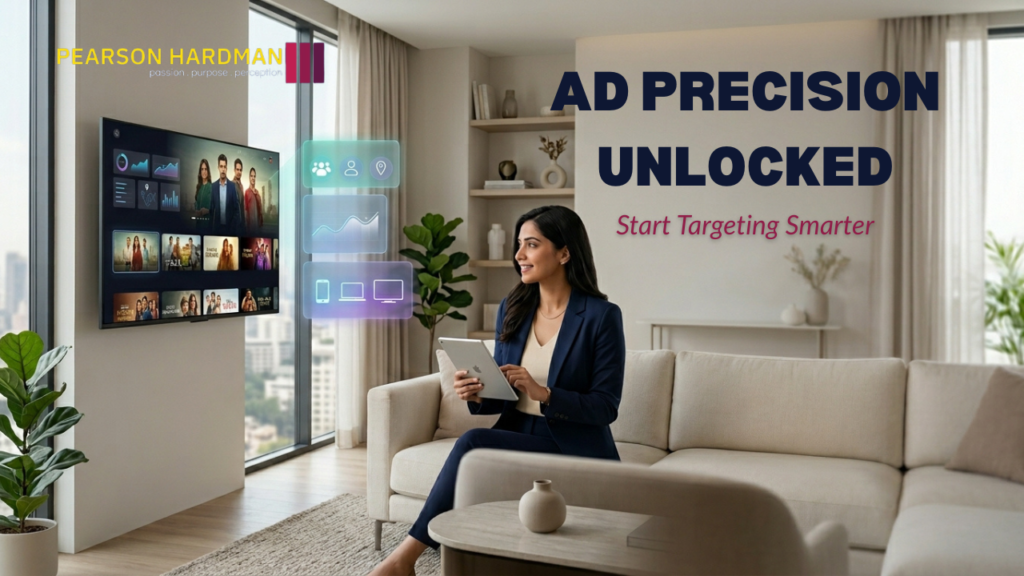
What makes Connected TV Ads different from traditional TV advertising is their ability to combine the power of television with digital targeting capabilities. Instead of broadcasting ads to a broad and undefined audience, OTT advertising allows brands to target viewers based on real-time data, viewing habits, content preferences, geographic location, and even purchasing intent.
This level of targeting ensures that advertisements are not only seen but are also relevant to the viewer. As a result, brands experience higher engagement rates, improved recall, and better conversion outcomes compared to traditional digital channels like Facebook Ads.
Also Read: Dark Social Mastery: Managing Brand Reputation in Private Discord & WhatsApp Groups
The Shift in Consumer Behavior Toward Streaming Platforms
One of the biggest reasons behind the rise of Connected TV Ads is the massive shift in consumer behavior. Over the past few years, audiences have moved away from traditional television and social media platforms toward on-demand streaming services. People now prefer watching content when they want, how they want, and without interruptions.
This behavioral shift has created a highly valuable opportunity for advertisers. When users are watching content on Connected TV, they are typically more focused and less distracted compared to when they are scrolling through Facebook or Instagram. This results in higher attention spans and better ad consumption.
Unlike Facebook Ads, where users often skip or ignore content within seconds, Connected TV Ads are viewed in a lean-back environment. This means the audience is more relaxed, more engaged, and more receptive to messaging. As a result, advertisers can deliver their message with greater impact and clarity.
Why Connected TV Ads Are More Precise Than Facebook Ads
First-Party Data and Real Behavioral Insights
One of the most important reasons why Connected TV Ads are more precise than Facebook Ads lies in the quality of data used for targeting. OTT platforms rely heavily on first-party data, which is collected directly from users based on their actual viewing behavior.
This includes data such as what content users watch, how frequently they watch, what genres they prefer, and how they interact with streaming platforms. This data is highly reliable because it reflects real user actions rather than assumed interests.
In contrast, Facebook Ads often depend on inferred data based on likes, shares, and browsing activity. While this approach was effective in the past, increasing privacy restrictions and changing user behavior have reduced its accuracy. Connected TV Ads eliminate much of this guesswork by using real, actionable insights.
Household-Level Targeting Capabilities
Another major advantage of Connected TV Ads is their ability to target at the household level. Unlike Facebook Ads, which primarily focus on individual user profiles, OTT advertising allows brands to reach entire households based on shared viewing patterns.
This is especially beneficial for industries where purchasing decisions are made collectively, such as real estate, automobiles, financial services, and consumer electronics. By targeting households instead of individuals, advertisers can ensure that their message reaches all key decision-makers within a home.
This level of precision significantly improves the effectiveness of campaigns and increases the likelihood of conversions, making Connected TV Ads a preferred choice for high-value marketing strategies.
Reduced Ad Fatigue and Higher Engagement Rates
Ad fatigue has become a major challenge in social media advertising. Users are constantly exposed to repetitive ads on Facebook, leading to lower engagement rates and reduced effectiveness over time.
Connected TV Ads address this issue by delivering ads within premium content environments. Instead of appearing in crowded feeds, these ads are integrated seamlessly into high-quality streaming experiences. This reduces repetition and increases viewer attention.
Because users are already engaged with the content they are watching, they are more likely to watch the entire advertisement. This leads to higher completion rates, stronger brand recall, and better overall campaign performance compared to Facebook Ads.
Advanced Cross-Device Tracking and Attribution
Modern consumers interact with multiple devices throughout their daily journey. They might watch a show on their smart TV, browse products on their smartphone, and complete purchases on their laptop.
Connected TV Ads excel in tracking this multi-device behavior. OTT platforms can connect viewing data with actions taken on other devices, providing a complete picture of the customer journey. This allows advertisers to understand how their campaigns influence user behavior beyond the initial impression.
While Facebook Ads do offer cross-device tracking, recent privacy updates have limited their ability to track users across platforms effectively. Connected TV Ads, on the other hand, operate within controlled ecosystems, allowing for more accurate attribution and performance measurement.
The Impact of Data Privacy on Advertising Precision
Data privacy has become a defining factor in the future of digital advertising. Regulations and platform policies have significantly reduced access to third-party data, which has traditionally powered platforms like Facebook Ads.
Connected TV Ads are better positioned in this new landscape because they rely on first-party data collected directly from users. Streaming platforms have transparent relationships with their audiences, allowing them to gather data in a compliant and ethical manner.
This shift toward privacy-focused advertising has made OTT advertising more sustainable and future-proof. Brands that invest in Connected TV Ads are not only benefiting from higher precision but are also aligning with evolving data privacy standards.
Real-World Application of Connected TV Ads
To understand the real impact of Connected TV Ads, consider a premium healthcare brand launching a new wellness program. Instead of running broad campaigns on Facebook, the brand uses OTT advertising to target viewers who regularly watch health-related content, fitness programs, and lifestyle shows.
The ads are displayed during relevant streaming content, ensuring that they reach an audience already interested in wellness. As a result, the campaign generates higher engagement, better lead quality, and improved conversion rates.
This example highlights how Connected TV Ads can deliver highly targeted and effective campaigns that go beyond the capabilities of traditional social media advertising.
Why Businesses Are Increasing Investment in OTT Advertising
Businesses across industries are recognizing the value of Connected TV Ads and are shifting their advertising budgets accordingly. The reason is simple — better targeting leads to better results.
In today’s competitive landscape, advertisers are not just looking for impressions but for meaningful engagement. Connected TV Ads offer a premium environment where brands can connect with audiences in a more impactful way.
This is particularly important for industries with high customer acquisition costs, where precision targeting can significantly improve return on investment. As a result, OTT advertising is becoming a key component of modern marketing strategies.
Also Read: Predictive Marketing Using Emotion AI to Decode Customer Intent in 2026
The Future of Connected TV Ads and OTT Advertising
The future of digital advertising is closely tied to the growth of Connected TV Ads. As more consumers move toward streaming platforms, the reach and capabilities of OTT advertising will continue to expand.
Advancements in artificial intelligence, machine learning, and data analytics will further enhance targeting precision. Advertisers will be able to deliver personalized experiences that are tailored to individual preferences and behaviors.
Interactive ad formats are also expected to play a major role in the future. Viewers may soon be able to engage with ads directly through their TVs, creating new opportunities for brands to drive engagement and conversions.
Conclusion
The rise of Connected TV Ads marks a significant shift in the digital advertising landscape. As consumer behavior continues to evolve, advertisers must adapt to new platforms that offer better precision, engagement, and performance.
OTT advertising has proven to be more than just an alternative to Facebook Ads. It is a powerful channel that combines the reach of television with the precision of digital marketing. For businesses looking to stay ahead in 2026, investing in Connected TV Ads is not just a trend but a strategic necessity.
The brands that embrace this change early will be the ones that lead the future of advertising.