Introduction
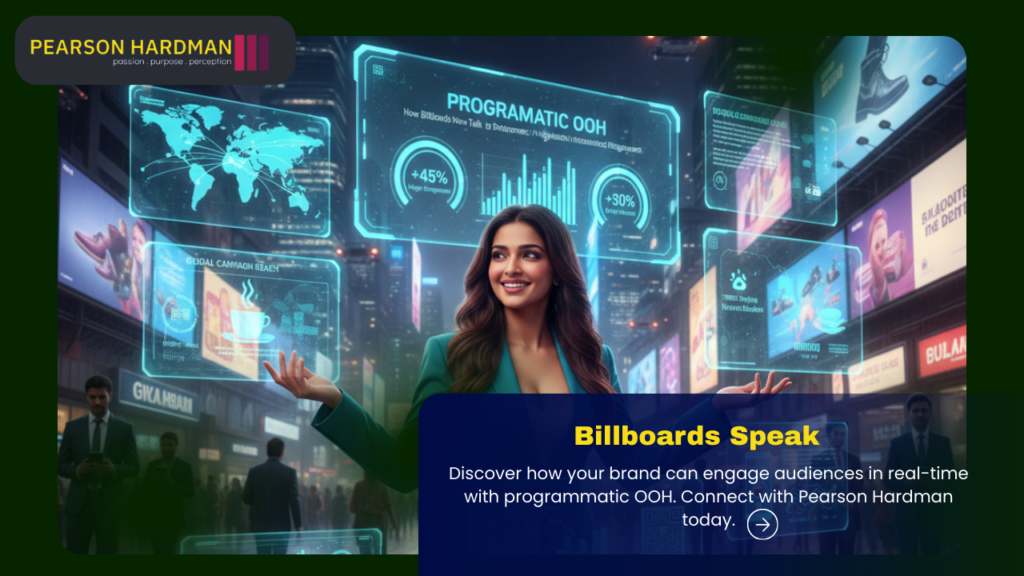
Imagine walking through the streets of Mumbai or Pune and seeing a billboard that seems to know exactly what you like. This is no longer science fiction. Programmatic Out-of-Home (OOH) advertising is revolutionizing the way brands interact with consumers. By using data, AI, and real-time triggers, billboards can now communicate with smartphones, creating personalized experiences on the go. In this article, we will explore the fascinating world of programmatic OOH, its advantages, strategies for brands, and how businesses in India and globally are leveraging this cutting-edge technology.
The rapid digital transformation of marketing in 2026 means traditional static billboards are no longer enough. Consumers expect relevance and engagement, and programmatic OOH delivers this by bridging physical and digital worlds. This article will provide insights into the technology behind programmatic billboards, successful case studies, key trends, and actionable strategies for brands to maximize ROI. By the end, you will understand how your business can adopt this innovative approach to reach audiences in new and exciting ways.
What is Programmatic OOH Advertising?
Programmatic OOH refers to the automated buying and selling of outdoor advertising space using software, data, and real-time audience insights. Unlike traditional billboards where brands book a fixed period in advance, programmatic OOH enables dynamic content delivery based on demographics, location, weather, time of day, and even consumer behavior. This allows advertisers to serve hyper-targeted messages that are contextually relevant.
For example, a coffee brand targeting office commuters in Delhi might trigger ads on a digital billboard just before morning rush hours. The same billboard can switch to promoting lunch deals for nearby restaurants around noon. This flexibility makes programmatic OOH more efficient, cost-effective, and measurable compared to traditional outdoor advertising.
Also Read: Secure-First Marketing: How Banks Can Protect Trust from Deepfakes in 2026
How Programmatic Billboards Connect with Smartphones
One of the most exciting features of programmatic OOH is its ability to interact with smartphones. Through technologies like Bluetooth, Wi-Fi, NFC, QR codes, and geofencing, billboards can deliver personalized messages, promotions, or apps directly to mobile devices. This creates a seamless omni-channel experience for consumers.
Consider a fashion retailer in Bangalore using a digital billboard near a popular shopping street. When a passerby with a brand app or location-enabled device comes within range, the billboard can push exclusive discount codes, new arrivals, or interactive content. This not only increases engagement but also provides measurable data on campaign performance, such as click-through rates, foot traffic, and conversions.
The integration of mobile technology with OOH advertising allows marketers to track offline-to-online journeys. Brands can analyze how many people interacted with the billboard, downloaded an app, or visited a store, making programmatic OOH a truly performance-driven medium.
Benefits of Programmatic OOH for Businesses
Programmatic OOH offers multiple advantages over traditional outdoor advertising. First, it enables precision targeting. By leveraging audience data, advertisers can ensure their messages reach the right people at the right time. This improves campaign efficiency and reduces wastage.
Second, programmatic OOH is highly flexible. Campaigns can be adjusted in real-time based on audience behavior, market trends, or competitor activity. This adaptability is especially valuable for brands in fast-moving industries like retail, food and beverage, and e-commerce.
Third, the measurability of programmatic OOH sets it apart. Unlike static billboards, where ROI is often estimated, digital programmatic campaigns provide real-time insights into performance metrics such as impressions, engagement, and conversions. This allows marketers to optimize campaigns on the fly and justify advertising spend.
Finally, programmatic OOH enhances creativity. Brands can experiment with dynamic visuals, interactive content, and context-aware messaging. This creates memorable experiences that resonate with consumers and strengthen brand recall.
Case Studies: Programmatic OOH in Action
Several brands in India and around the world have successfully implemented programmatic OOH campaigns. Coca-Cola India, for instance, launched a digital billboard campaign in Mumbai that changed messages based on weather conditions. On hot days, the billboard promoted chilled beverages, while on cooler days, it highlighted warm drinks. This approach increased consumer engagement and drove measurable sales growth.
Globally, Nike used programmatic billboards in New York to promote a new sneaker collection. The billboards detected foot traffic and pushed personalized QR codes to smartphones, encouraging immediate online purchases. The campaign resulted in significant online and offline conversions, demonstrating the power of integrating OOH with mobile technology.
Another example is Amazon India, which leverages programmatic OOH for festive promotions. Digital billboards display location-specific offers and interact with mobile devices, providing users with exclusive discounts while guiding them to nearby stores or app-based shopping options.
Technology Behind Programmatic OOH
The success of programmatic OOH relies on several key technologies. First, demand-side platforms (DSPs) automate the buying and selling of ad inventory. They allow advertisers to bid in real-time for available billboard space based on target audience data.
Second, data management platforms (DMPs) aggregate and analyze audience data from various sources, such as mobile apps, GPS signals, social media behavior, and purchase history. This data fuels precise targeting and message personalization.
Third, integration with mobile technologies, including Bluetooth beacons, Wi-Fi tracking, NFC, and geofencing, enables billboards to detect nearby devices and deliver relevant content. AI and machine learning further enhance this process by predicting audience behavior and optimizing campaign performance.
Finally, real-time analytics platforms provide actionable insights. Marketers can monitor metrics such as impressions, engagement, dwell time, and conversions, allowing them to refine campaigns quickly and maximize ROI.
Industry Trends in Programmatic OOH
In 2026, programmatic OOH is witnessing rapid growth driven by several trends. First, there is increased adoption of 5G technology, which enables faster data transmission and richer interactive content. High-resolution videos, augmented reality experiences, and live feeds are becoming standard features on digital billboards.
Second, the convergence of OOH with mobile and social media is creating omni-channel marketing opportunities. Brands are linking billboards to mobile apps, QR codes, and social media campaigns, ensuring consistent messaging across multiple touchpoints.
Third, privacy-conscious targeting is emerging as a key focus. With stricter regulations on data usage, brands are adopting anonymized location data and opt-in mobile interactions to maintain compliance while delivering personalized experiences.
Fourth, sustainability is becoming important in OOH. Digital billboards powered by energy-efficient LEDs and renewable energy sources are increasingly preferred, aligning brand campaigns with environmental responsibility.
Finally, programmatic OOH is expanding beyond urban centers. Tier 2 and Tier 3 cities in India are embracing digital billboards, creating opportunities for brands to reach previously untapped audiences.
Strategies for Businesses to Leverage Programmatic OOH
To succeed with programmatic OOH, businesses should adopt a strategic approach. First, define clear campaign objectives. Whether it is driving foot traffic, promoting a product launch, or increasing brand awareness, clarity of purpose ensures campaign effectiveness.
Second, segment audiences effectively. Use data to target specific demographics, locations, and times of day. Personalization increases engagement and drives higher ROI.
Third, integrate OOH campaigns with mobile, social media, and e-commerce channels. This creates a seamless experience for consumers and strengthens the brand ecosystem.
Fourth, invest in creative, dynamic content. Interactive visuals, AR experiences, and context-aware messaging capture attention and leave lasting impressions.
Finally, measure and optimize. Monitor key performance metrics in real-time and adjust campaigns as needed. Programmatic OOH provides actionable data that allows brands to continuously improve targeting, content, and overall effectiveness.
Also Read: Sustainable Glamour: How Traceability Is the New Luxury Marketing Hook
Local and Global Relevance
For brands operating in India, cities like Mumbai, Pune, Bangalore, and Delhi are prime locations for programmatic OOH campaigns due to high urban footfall and mobile usage. Leading marketing agencies in Pune and other cities are helping local businesses adopt programmatic OOH to compete with global brands.
Globally, programmatic OOH is transforming outdoor advertising in major markets such as New York, London, Tokyo, and Sydney. Brands are leveraging the same principles to deliver personalized messages to commuters, shoppers, and urban audiences, proving that programmatic OOH is both a local and global solution.
Conclusion
Programmatic OOH is transforming the advertising landscape by making outdoor campaigns interactive, personalized, and measurable. Brands in India and globally are harnessing this technology to connect with audiences in new and meaningful ways. By integrating real-time data, mobile interactions, and creative content, businesses can deliver campaigns that are not only engaging but also ROI-driven.
In 2026, programmatic OOH offers an unparalleled opportunity to bridge offline and online experiences, making every billboard a potential touchpoint for your brand. To stay ahead in the competitive marketing landscape, it is essential to adopt programmatic OOH strategically.
Consult Pearson Hardman for strategic PR, branding, and digital growth solutions and explore how your brand can leverage the power of programmatic OOH to engage audiences, drive conversions, and build lasting connections.