Public relations for events has transformed dramatically over the past few years. What once relied on press releases and standard media coverage now demands a combination of storytelling, strategic thinking, and technological integration. In 2025, the success of any event depends on how well PR can create a narrative that engages audiences, generates media attention, and leaves a lasting impression. Whether your event is virtual, hybrid, or fully in-person, PR is now the engine that drives awareness and participation. This article will guide you through the nuances of Event PR in 2025, exploring trends, tactics, and examples of how to make your events stand out in a crowded media landscape.
Audiences today have become more discerning. They no longer respond to generic announcements or conventional promotional strategies. After years of virtual events, hybrid experiments, and the resurgence of in-person gatherings, people expect authentic experiences, meaningful engagement, and stories they can relate to. In this environment, traditional PR tactics alone no longer work. Successful campaigns rely on human-centered storytelling, timely media outreach, and a strategic use of technology to bridge virtual and physical experiences. Modern PR in events is not just about coverage; it is about crafting an experience that the audience wants to share and remember.
Virtual events offer unparalleled reach, allowing attendees from across the globe to participate without the constraints of geography. However, this advantage also comes with challenges. Without the energy and visual impact of a physical space, it is crucial to create a compelling narrative that captures attention. Media coverage must be earned through story-driven content, insider access, and unique angles that make your event feel unmissable. PR for virtual events in 2025 emphasizes the creation of engaging content, from behind-the-scenes videos to speaker interviews and exclusive data releases. The goal is to give journalists and influencers material that they can easily share with their audiences, transforming the event from a simple webinar into a must-attend digital experience.
Crafting a narrative for virtual events requires a focus on substance and human connection. The story should be anchored around a central theme that resonates with the audience, such as industry trends, technological innovation, or expert insights. Journalists and media outlets are more likely to cover events that offer unique content or data that cannot be found elsewhere. Involving media directly, whether by inviting them to moderate sessions or providing them with exclusive materials, strengthens relationships and increases the likelihood of coverage. Successful virtual event PR leverages pre-event teasers, social media storytelling, and clear communication of the value attendees will gain. By doing so, the event narrative becomes compelling and shareable across both media channels and attendee networks.
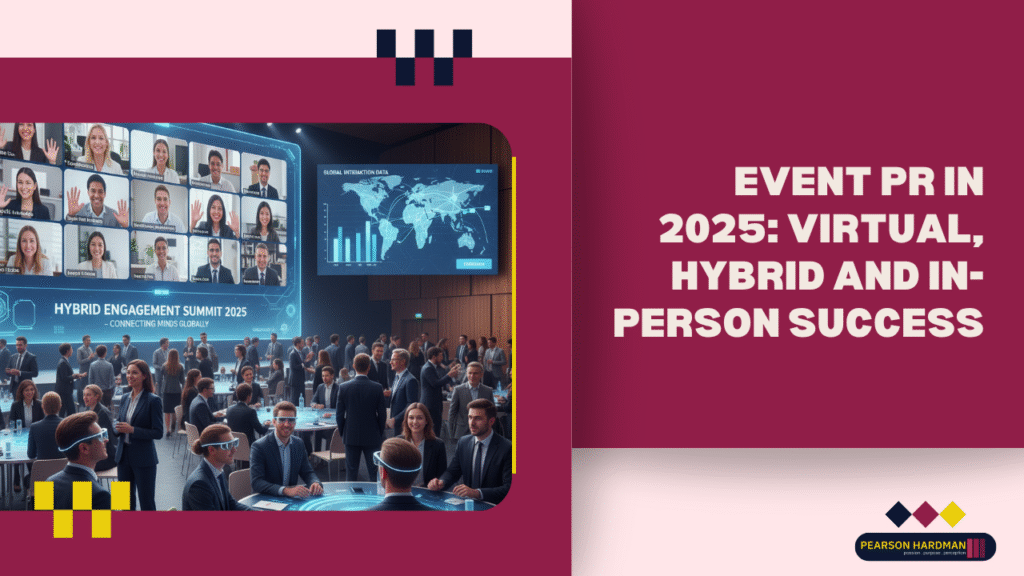
Hybrid events, which combine both physical and virtual participation, have become a dominant format in 2025. They allow organizers to retain the immersive benefits of in-person experiences while expanding reach through online platforms. However, hybrid events also present a unique challenge for PR. The messaging must seamlessly connect both audiences so that the event feels like one cohesive experience rather than two separate ones. Developing a narrative that resonates with on-site and online participants requires careful planning and integration of all communication channels. Every press pitch, social media update, and promotional asset must align with the overarching story of the event. This ensures that whether someone attends in person or virtually, they receive the same consistent message and sense of engagement.
For hybrid events, media outreach is particularly crucial. Inviting journalists to the physical venue provides them with hands-on experience, visuals, and direct access to speakers, which often results in richer coverage. Simultaneously, streaming sessions to online audiences and media partners ensures global reach and amplifies exposure. The PR strategy must bridge these experiences, presenting them as interconnected parts of the same event narrative. Organizers can provide virtual press rooms, exclusive interviews, and behind-the-scenes access for media unable to attend in person. A well-executed hybrid PR campaign makes the event feel inclusive, memorable, and newsworthy, resulting in coverage that highlights both the scale and the depth of the experience.
In-person events continue to hold unparalleled value despite the rise of virtual and hybrid formats. There is no substitute for the energy, interaction, and spontaneity that comes from face-to-face gatherings. In 2025, attendees expect higher production standards, personalized experiences, and immersive technological elements such as live demonstrations, augmented reality, or interactive installations. PR strategies for in-person events should focus on visual storytelling and human-centered narratives. Journalists and influencers should be offered opportunities to engage with speakers, participate in exclusive previews, and capture the essence of the event firsthand. By providing media with everything they need to tell the story, organizers ensure authentic coverage that resonates with audiences long after the event concludes.
The narrative for in-person events should revolve around the experience itself. Events are not simply gatherings; they are opportunities to create memorable moments. Product launches can be framed as moments of discovery, conferences as forums for thought leadership, and networking opportunities as platforms for collaboration. Giving journalists early access, providing well-prepared press kits, and facilitating immersive experiences enable them to create meaningful stories. Local media should be targeted for coverage that highlights community impact, while national and trade publications can be engaged with stories about innovation, trends, and industry insights. A strong PR campaign ensures that the event’s story is captured, shared, and amplified across multiple media channels.
Across all formats, pre-event planning is essential. Understanding the audience, identifying the right media contacts, and preparing engaging content are critical steps. Early communication with journalists, offering exclusive insights, and creating teaser campaigns establish anticipation and encourage attendance. During the event, activating media through press rooms, live updates, and interactive engagement ensures coverage while maintaining audience interest. After the event, follow-up with press releases, summaries, and post-event stories sustains momentum and reinforces brand authority. A PR approach that integrates pre-event, during-event, and post-event activities ensures that every element contributes to building a cohesive and impactful narrative.
SEO and content strategy are integral to modern event PR. Creating content related to the event, such as interviews, trend articles, and blogs, not only supports media outreach but also enhances search engine visibility. When media coverage links to your content, it strengthens domain authority and attracts new audiences. Coordination between PR and content teams is essential to maximize impact, ensuring that every press pitch references published content and every article is optimized for search engines. This alignment improves organic reach, reinforces messaging, and establishes credibility across both media and online channels.
Challenges in 2025 event PR are real but manageable. Technical issues can disrupt virtual and hybrid experiences, while over-saturation of media pitches can dilute interest. Limited coverage is a risk if the story does not offer unique value, and fragmented experiences between online and offline participants can weaken perception. Careful planning, targeted outreach, and consistent storytelling mitigate these challenges. Using tracking tools, analytics, and attendee feedback helps measure performance, refine strategies, and ensure that future events deliver even stronger results.
In conclusion, Event PR in 2025 is defined by connection, storytelling, and strategic execution. Virtual events require compelling content and human-centered narratives to engage distant audiences. Hybrid events succeed when the experience is cohesive and inclusive for both online and in-person participants. In-person events thrive on emotional resonance, visual storytelling, and immersive experiences. Across all formats, planning, media relations, content integration, and follow-up activities form the backbone of successful PR campaigns. Organizations that master these elements ensure that their events are not only attended but remembered, shared, and celebrated.
The key takeaway for any PR professional or event organizer is that stories matter more than ever. By crafting narratives that inspire, engage, and connect, your events will not only achieve media coverage but will also create lasting impact for your brand and audience. Start your planning early, focus on authentic storytelling, and integrate your PR with content and marketing efforts to make your 2025 events truly exceptional.