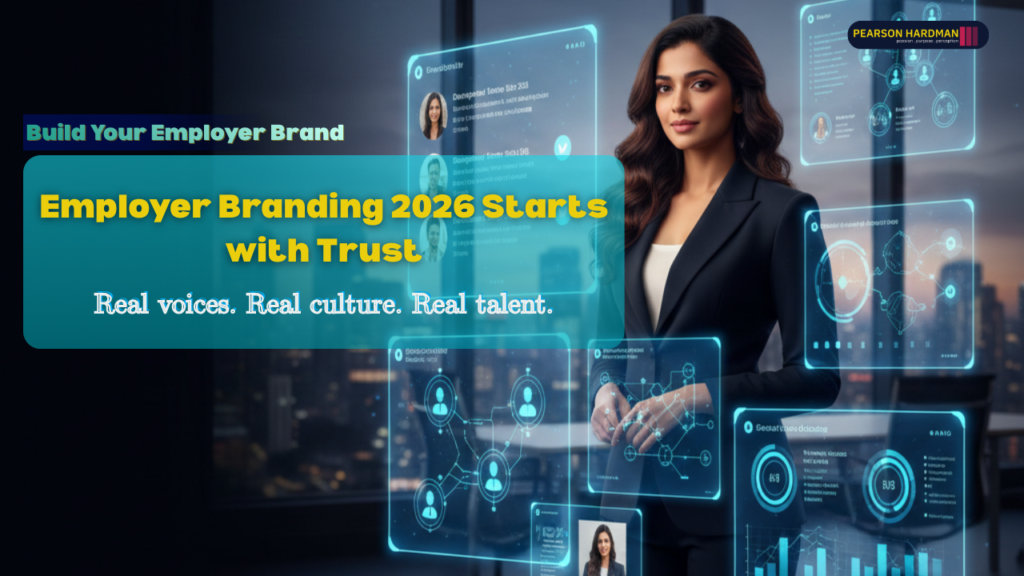
The recruitment landscape has reached a pivotal turning point where the traditional power dynamics between the employer and the candidate have been completely restructured. In previous decades, a company could hide behind a polished corporate website and a list of generic benefits to attract workers, but those days are firmly in the past. As we move through the current year, the most talented professionals in every industry are no longer looking at what a company says about itself in a glossy brochure. Instead, they are looking for “proof of life” from the people who already work there, making Employer Branding 2026: Recruiting Top Talent via Social Proof the most significant strategy for any organization that wants to remain competitive. Today, a candidate is more likely to trust a random employee’s post on a social network than a CEO’s carefully scripted video. This article will guide you through the transition from corporate-led branding to employee-led advocacy, showing you exactly how to build a recruitment engine that thrives on authenticity.
The central problem that modern HR departments face is a massive trust deficit that has only widened over the last few years. Professionals are wary of “culture washing,” where companies claim to value work-life balance or diversity but fail to deliver on those promises in reality. Consequently, the only way to pierce through this skepticism is to lean into the concept of social proof, which is the psychological phenomenon where people mirror the actions of others in an attempt to reflect correct behavior for a given situation. By focusing on Employer Branding 2026: Recruiting Top Talent via Social Proof, you are effectively letting your current team do the heavy lifting of recruitment for you. You will learn how to empower your staff to share their genuine experiences, how to manage your reputation on third-party forums, and how to create a digital footprint that acts as a magnet for the world’s most innovative minds.
The Shift from Corporate Jargon to Peer-to-Peer Validation
To understand why Employer Branding 2026: Recruiting Top Talent via Social Proof has become so dominant, we must look at how the decision-making process for candidates has evolved. In 2026, a job search looks very similar to how a consumer researches a high-end purchase. Before applying, a candidate will check your company’s ratings on Glassdoor, search for unfiltered discussions on Reddit or Blind, and browse through the LinkedIn profiles of their potential future colleagues. They are looking for consistency between the “public face” and the “private reality.” If your careers page says you are a remote-first pioneer, but your employees are posting about forced return-to-office mandates, the social proof will immediately invalidate your branding. This is why authenticity is not just a buzzword but a core requirement for survival in the current talent market.
Furthermore, the rise of the Gen Z and Alpha workforces has brought a demand for radical transparency that previous generations might have found uncomfortable. These workers have grown up in a world of influencer marketing and user-generated content, meaning they have a highly developed “radar” for anything that feels manufactured or fake. When you prioritize Employer Branding 2026: Recruiting Top Talent via Social Proof, you are speaking their language. You are moving away from the “We are a family” narrative and toward a “This is what we actually do” narrative. This shift requires a level of courage from leadership, as it means relinquishing total control over the brand story and trusting that the reality of your workplace is good enough to attract the right people.
Harnessing the Power of Employee Advocacy Programs
One of the most effective ways to implement Employer Branding 2026: Recruiting Top Talent via Social Proof is through a structured yet flexible employee advocacy program. This is not about forcing your staff to share pre-written corporate updates, which usually results in low engagement and high resentment. Instead, it is about creating an environment where employees feel inspired to share their own wins, challenges, and daily routines. When an engineer posts a photo of a difficult problem they solved or a marketing manager shares a behind-the-scenes look at a successful campaign, they are providing the ultimate form of social proof. Potential candidates see these posts and can visualize themselves in those roles, making the company feel much more accessible and human.
A successful advocacy program in 2026 focuses on building the personal brands of the employees as much as the corporate brand. When you help your team become thought leaders in their respective niches, their increased visibility naturally reflects back on the company. For example, a tech firm that encourages its developers to contribute to open-source projects or speak at conferences is engaging in Employer Branding 2026: Recruiting Top Talent via Social Proof at the highest level. The external world sees that the company employs “the best,” and those elite workers are clearly happy and supported. This creates a virtuous cycle where high-quality talent is drawn to the company because they want to work with the visible experts already on the payroll.
The Role of Video Content in Humanizing the Workplace
As we explore the nuances of Employer Branding 2026: Recruiting Top Talent via Social Proof, we cannot ignore the total dominance of vertical video. Platforms like TikTok, Instagram Reels, and YouTube Shorts have changed how we consume information, and recruitment is no exception. A sixty-second “Day in the Life” video filmed on an employee’s phone is ten times more impactful than a ten-minute professional documentary. These short, snappy videos provide a “vibe check” that written text simply cannot match. They show the office culture, the personality of the team, and the small details that make a workplace unique. For many candidates in 2026, the absence of this type of video content is actually a red flag that suggests a company might be hiding something.
Specifically, companies are now using “Work With Me” live streams or “Ask Me Anything” sessions with current staff to provide real-time social proof. This level of interaction allows candidates to get their questions answered directly by people who are actually doing the job. When you integrate these video strategies into your broader plan for Employer Branding 2026: Recruiting Top Talent via Social Proof, you are building a bridge of trust that is incredibly difficult for competitors to replicate. You are proving that your culture is strong enough to withstand unscripted, live scrutiny. This transparency is a massive competitive advantage when you are fighting for the top 1% of talent in high-growth industries like AI, renewable energy, or biotech.
Managing the “Dark Social” Reputation: Reddit, Blind, and Beyond
In the era of Employer Branding 2026: Recruiting Top Talent via Social Proof, your brand is no longer defined by what you say, but by what people say about you when you aren’t in the room. “Dark Social” refers to the private or semi-private channels where people share their honest opinions, such as Discord servers, Slack communities, and anonymous forums like Blind. While it can be tempting for companies to try and “police” these spaces, such efforts usually backfire and lead to more negative social proof. Instead, the high-value approach is to listen and learn. If multiple people on Reddit are complaining about your slow interview process, that is a data point you need to address in your internal operations rather than a PR problem you need to “spin.”
The most sophisticated practitioners of Employer Branding 2026: Recruiting Top Talent via Social Proof actually engage with these communities in a helpful, non-promotional way. For instance, having a dedicated “Recruiter-in-Residence” who answers general career questions on a relevant subreddit can build immense goodwill. When the community sees that your company is willing to be helpful without always asking for something in return, they are much more likely to recommend you to their peers. This organic, community-led validation is the most potent form of social proof available because it comes with a level of third-party credibility that no amount of paid advertising can buy.
Transforming the Candidate Experience into a PR Asset
Every person who interacts with your hiring process is a potential source of social proof, regardless of whether they actually get the job. In fact, the way you treat the candidates you don’t hire is one of the clearest indicators of your true company culture. A candidate who receives a thoughtful, timely rejection with constructive feedback is likely to speak well of the company to their network. Conversely, someone who is “ghosted” after three rounds of interviews will likely share that negative experience on LinkedIn or Glassdoor. To truly excel at Employer Branding 2026: Recruiting Top Talent via Social Proof, you must view the candidate experience as a critical marketing funnel where the goal is to create “brand fans,” even among the unsuccessful applicants.
This means automating the administrative parts of the process so that recruiters can focus on the human interactions. In 2026, candidates expect a high-tech but high-touch experience. They want to know where they stand at every stage, and they want to be treated with respect and dignity. By designing an “experience worth sharing,” you turn every applicant into a potential advocate. We have seen examples of companies that provide “interview prep kits” or free resources to all applicants, which often results in those candidates sharing their positive experience on social media. This is Employer Branding 2026: Recruiting Top Talent via Social Proof in its most elegant form: turning a potentially negative outcome into a positive brand touchpoint.
The Intersection of Personal Branding and Corporate Culture
In the high-stakes world of modern talent acquisition, the lines between a founder’s personal brand and the company’s employer brand have become increasingly blurred. For many startups and mid-sized firms, the CEO is the “Lead Recruiter,” and their social proof is the primary reason why talent decides to join. If a leader is known for being supportive, innovative, and transparent on social media, they attract people who share those values. This is why Employer Branding 2026: Recruiting Top Talent via Social Proof often starts at the top. When the leadership team is active and engaged in the industry conversation, it sends a signal that the company is a place where ideas matter and where people are encouraged to speak up.
However, this strategy must extend beyond the C-suite to be truly effective. A company where only the CEO is visible feels like a cult of personality, whereas a company where people at all levels are visible feels like a healthy ecosystem. By encouraging “micro-influencers” within your own ranks, you distribute the social proof across the entire organization. When a junior designer shares their excitement about a new project, it resonates with other junior designers in a way that a CEO’s post never could. This layered approach to Employer Branding 2026: Recruiting Top Talent via Social Proof ensures that you are reaching every segment of the talent market with a message that feels relevant and relatable to their specific career stage.
Leveraging Diversity and Inclusion as Authentic Social Proof
Diversity, Equity, and Inclusion (DEI) are areas where social proof is particularly vital. Many companies have beautiful statements about inclusion on their websites, but the social proof often tells a different story. Candidates from underrepresented backgrounds will look at your team’s photos, your board of directors, and your employee’s social posts to see if they will truly belong. In 2026, Employer Branding 2026: Recruiting Top Talent via Social Proof means moving beyond “tokenism” and showing the real, lived experiences of a diverse workforce. This involves letting your Employee Resource Groups (ERGs) lead the conversation and share their stories in their own voices.
When a potential candidate sees an ERG-led event or hears an employee speak about how the company supported them during a personal challenge, they receive a high-trust signal that the DEI policy is more than just paper. This is the ultimate “proof of concept” for your culture. By giving a platform to diverse voices within your company, you are providing the social proof that proves your workplace is a safe and welcoming environment for everyone. This is not just the right thing to do; it is a critical component of Employer Branding 2026: Recruiting Top Talent via Social Proof that allows you to tap into the widest possible pool of global talent.
The ROI of Social Proof: Measuring Recruitment Success in 2026
While some might see social proof as a “soft” metric, the financial impact of a strong employer brand is incredibly concrete. Companies that excel at Employer Branding 2026: Recruiting Top Talent via Social Proof see significantly lower costs per hire and much higher retention rates. When a candidate is already “sold” on the culture before they even apply, they are much more likely to accept an offer and integrate quickly into the team. Furthermore, a strong reputation acts as a buffer during difficult times. If a company has a high “social proof score,” its employees are more likely to defend it during a crisis and its talent pipeline is less likely to dry up when the market shifts.
To measure the success of Employer Branding 2026: Recruiting Top Talent via Social Proof, companies are now using “Sentiment Analysis” and “Employee Net Promoter Scores” (eNPS) as key performance indicators. They are tracking how often the company is mentioned in positive contexts on social media and how much of their traffic is coming from employee-shared links. This data-driven approach allows you to see exactly which stories are resonating and where you might need to do more work. In the end, the most important metric is the quality of the people walking through your door. When you see a steady stream of elite candidates who say, “I’ve been following your team’s work for months and I knew I had to work here,” you know your social proof strategy is working.
Overcoming the Fear of Negative Feedback
One of the biggest hurdles to fully embracing Employer Branding 2026: Recruiting Top Talent via Social Proof is the fear of what might happen if someone says something negative. In a transparent world, you cannot stop negative feedback from happening, but you can control how you respond to it. A company that responds to a negative Glassdoor review with empathy, curiosity, and a genuine desire to improve actually builds more trust than a company with only five-star reviews. Candidates know that no workplace is perfect, so they are looking to see how you handle conflict and criticism.
Your response to negative social proof is a powerful form of branding in its own right. It shows that you are an adult organization that can handle the truth and is committed to continuous improvement. By leaning into the “messiness” of human feedback, you make your Employer Branding 2026: Recruiting Top Talent via Social Proof feel even more authentic. You aren’t claiming to be perfect; you are claiming to be a work in progress that values its people’s voices. This vulnerability is incredibly attractive to top-tier talent who want to work in an environment where they can be their honest selves and where their feedback will actually lead to change.
Conclusion: The Future belongs to the Authentic
As we conclude our exploration of Employer Branding 2026: Recruiting Top Talent via Social Proof, the message is clear: the era of corporate control is over, and the era of human connection has begun. To win the war for talent in 2026, you must stop being a “company” and start being a community that people are proud to belong to. You must empower your team to be your greatest ambassadors, use technology to humanize your processes, and have the courage to be transparent even when it’s difficult. By building a brand that is rooted in genuine social proof, you create a sustainable competitive advantage that no amount of recruitment spend can replace.
The most successful leaders of this year are those who understand that their people are not just their greatest asset, but their greatest marketing channel. When you focus on Employer Branding 2026: Recruiting Top Talent via Social Proof, you are building a legacy of trust that will serve your organization for years to come. The world’s best talent is looking for a place where they can grow, contribute, and be seen for who they are. If you can provide the social proof that your company is that place, you will never have to “hunt” for talent again; the talent will find their way to you. Would you like me to help you design an employee advocacy framework or perhaps research the best sentiment analysis tools to track your company’s digital reputation across “Dark Social” channels?