Introduction
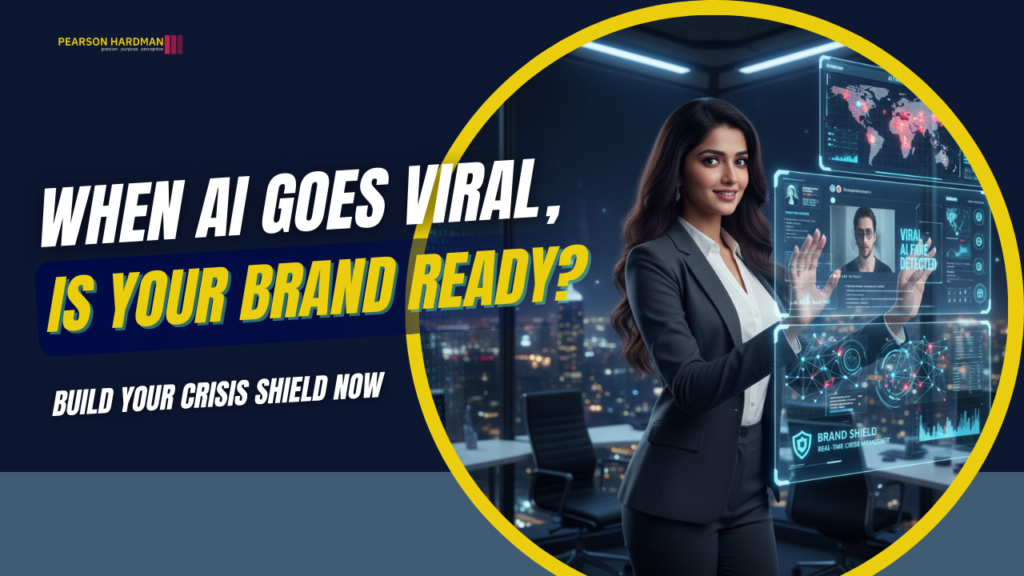
In 2026, a brand’s biggest reputational threat may not come from a dissatisfied customer or a competitor’s campaign, but from a fake video, an altered audio clip, or a manufactured screenshot created using artificial intelligence. Within minutes, such content can spread across social platforms, WhatsApp groups, news feeds, and search results, creating confusion, outrage, and permanent brand damage. This is the new reality of digital reputation. Crisis Management 2026 is no longer about reacting to press controversies alone. It is about proactively defending brands against viral AI fakes that feel real, sound convincing, and move faster than traditional response systems.
This article explores how crisis management is evolving in 2026, why AI-generated misinformation has become such a serious risk, and how brands can shield themselves through strategy, preparedness, and credibility. You will learn how AI fakes spread, how they impact trust and revenue, and what modern crisis management looks like when truth must compete with technology. More importantly, you will understand how brands can stay resilient in an environment where perception can change overnight.
The Rise of AI Fakes and Why 2026 Is Different
AI-generated content has matured rapidly over the last few years. Tools that once required technical expertise are now accessible to anyone with a smartphone and internet connection. Deepfake videos, synthetic voice recordings, fake social posts, and manipulated images can now be produced in minutes. In 2026, these AI fakes are not only more realistic but also more targeted. They are often designed to exploit existing brand narratives, leadership visibility, or cultural moments.
What makes 2026 different is scale and speed. Social algorithms reward engagement, not accuracy. A shocking or emotional fake spreads faster than a factual clarification. By the time a brand realizes it is under attack, millions may have already seen and shared the content. Crisis Management 2026 must therefore focus on anticipation and early detection, not just damage control after the fact.
Understanding Viral AI Fakes in a Brand Context
Viral AI fakes typically exploit three areas. The first is leadership credibility, such as fake videos or audio of founders, CEOs, or spokespersons making controversial statements. The second is product integrity, including fake reviews, false safety claims, or manipulated evidence of defects. The third is social or political alignment, where brands are falsely shown supporting sensitive causes or opinions.
These attacks work because they look authentic and play into existing biases or fears. A well-crafted fake does not need to convince everyone. It only needs to generate enough doubt to damage trust. Crisis Management 2026 requires brands to understand these patterns so they can recognize threats early and respond with clarity rather than panic.
Why Traditional Crisis Management Is No Longer Enough
Traditional crisis management relied heavily on press releases, media briefings, and legal notices. While these tools still matter, they are too slow for the AI era. Viral AI fakes can reach global audiences before a press team has drafted a response. Waiting for verification, approvals, or legal clearance can allow misinformation to take root.
In 2026, crisis management must operate at the same speed as social media. This means having predefined response protocols, rapid verification systems, and empowered teams who can act without bureaucratic delays. Brands that still treat crisis management as a reactive, hierarchical process will struggle to contain AI-driven misinformation.
The Psychological Impact of AI Fakes on Audiences
One of the most dangerous aspects of AI fakes is their psychological impact. When people see a realistic video or hear a familiar voice, their instinct is to believe it. Even after a fake is debunked, doubt often lingers. This phenomenon, known as belief persistence, means that reputational damage can continue long after the truth is revealed.
Crisis Management 2026 must address this psychological dimension. It is not enough to say something is fake. Brands must explain clearly, show evidence, and repeat their message across channels. Consistency and transparency help rebuild trust, especially when audiences feel emotionally manipulated by what they saw or heard.
Early Detection as the First Line of Defense
The most effective crisis management strategies in 2026 focus on early detection. Brands must actively monitor social platforms, forums, video-sharing sites, and even private messaging ecosystems where misinformation often starts. AI-powered listening tools are increasingly used to detect unusual spikes in mentions, sentiment changes, or content patterns.
Early detection allows brands to respond before a fake goes fully viral. A timely clarification, supported by credible proof, can prevent misinformation from escalating. Crisis Management 2026 is therefore as much about technology as it is about communication.
Building Brand Credibility Before a Crisis Hits
One of the strongest shields against viral AI fakes is pre-existing brand credibility. Brands that consistently communicate transparently, engage with their audiences, and demonstrate ethical behavior are more resilient during crises. When trust is already high, audiences are more likely to question suspicious content rather than accept it blindly.
This is why crisis management starts long before a crisis occurs. Content strategy, thought leadership, authentic storytelling, and visible leadership communication all contribute to a reservoir of trust. Crisis Management 2026 emphasizes reputation building as an ongoing process, not a reactionary one.
Leadership Visibility and Authentic Voice
In 2026, brand leaders play a critical role in crisis management. Audiences expect to hear directly from founders or executives during moments of confusion. However, AI fakes often target these same leaders. To counter this, brands must establish clear, authentic communication channels where audiences know what real communication looks like.
Regular video messages, verified social profiles, and consistent tone help audiences recognize authenticity. When a fake emerges, brands can point to these established patterns to demonstrate what is real and what is not. Crisis Management 2026 treats leadership visibility as both a risk and a powerful asset.
Responding to a Viral AI Fake in Real Time
When a viral AI fake surfaces, the first response matters more than the perfect response. Silence creates a vacuum that misinformation fills quickly. Brands should acknowledge the issue promptly, even if all details are not yet clear. A simple statement confirming awareness and ongoing verification can slow the spread.
Once verified, the response should be clear, factual, and calm. Avoid emotional language or defensive tones. Explain why the content is fake, provide evidence, and direct audiences to verified channels. Crisis Management 2026 values speed, clarity, and consistency over polished but delayed messaging.
Legal and Platform-Level Actions
Legal action and platform takedowns remain important tools, but they are not sufficient on their own. Reporting AI fakes to platforms can help remove content, but the process often takes time. Meanwhile, screenshots and reuploads continue to circulate.
Crisis Management 2026 integrates legal and platform responses with communication strategy. Brands should pursue takedowns while simultaneously educating audiences and correcting narratives. Transparency about these actions can also reinforce credibility and show accountability.
The Role of AI in Fighting AI Fakes
Ironically, AI itself is becoming one of the most effective defenses against AI fakes. Detection tools can analyze video inconsistencies, audio anomalies, and metadata to identify manipulated content. Brands that invest in these technologies gain a critical advantage in verification and response speed.
However, technology alone is not enough. Human judgment, contextual understanding, and ethical decision-making remain essential. Crisis Management 2026 is a hybrid approach where AI supports human-led communication and strategy.
Training Teams for AI-Driven Crisis Scenarios
Crisis preparedness in 2026 includes training teams to recognize and respond to AI-driven threats. Social media managers, PR professionals, legal teams, and leadership must understand how AI fakes work and how they spread. Simulated crisis drills that include deepfake scenarios are becoming increasingly common.
These exercises help teams practice coordination, decision-making, and messaging under pressure. Crisis Management 2026 treats preparedness as a continuous learning process rather than a one-time plan.
Real World Example of AI Fake Impact
Consider a global consumer brand whose CEO was targeted by a fake audio clip suggesting unethical practices. The clip spread rapidly on social media, triggering backlash and stock volatility. Within hours, the brand released a verified video statement from the CEO, supported by forensic analysis proving the audio was fake.
Because the brand had a strong credibility foundation and acted quickly, the narrative shifted. Media outlets reported on the fake itself rather than the false claims. This example illustrates how Crisis Management 2026 can turn a potential disaster into a demonstration of transparency and resilience.
Managing Search Results During a Crisis
Search engines play a major role in shaping perception during crises. When people hear about a controversy, they search for answers. If fake content dominates search results, damage increases. Brands must actively manage search visibility by publishing authoritative content, updates, and clarifications.
SEO and crisis management are now deeply connected. Optimized statements, FAQs, and updates can help push accurate information higher in search results. Crisis Management 2026 recognizes search as a frontline battleground for reputation.
Long-Term Reputation Recovery After AI Fakes
Even after a crisis subsides, brands must focus on long-term recovery. This includes ongoing communication, reinforcement of values, and continued transparency. Monitoring sentiment over time helps identify lingering doubts or misinformation.
Reputation recovery is not about erasing the past but about reframing it. Brands that handle AI fake crises well often emerge stronger, with increased trust and loyalty. Crisis Management 2026 sees recovery as an opportunity to reinforce authenticity and leadership.
The Future of Crisis Management Beyond 2026
As AI technology continues to evolve, so will threats. Crisis management must remain adaptive, informed, and proactive. Regulatory frameworks, platform policies, and public awareness will improve, but brands cannot rely on external safeguards alone.
The future belongs to brands that understand technology, psychology, and communication equally well. Crisis Management 2026 is not just a defensive discipline. It is a strategic function that protects value, trust, and long-term growth.
Conclusion
In 2026, brand crises are no longer defined solely by human actions. They are shaped by algorithms, artificial intelligence, and the speed of digital platforms. Crisis Management 2026 is about shielding brands from viral AI fakes through preparation, credibility, and decisive communication. Brands that invest in trust before a crisis, act quickly during one, and communicate transparently afterward will remain resilient in an uncertain digital landscape.
The question is not whether AI fakes will appear, but whether your brand is ready when they do.