Introduction
For decades, legacy Indian brands have enjoyed a unique place in the hearts of consumers. Names like traditional FMCG companies, heritage retail chains, and long-standing family businesses have built trust through reliability and familiarity. However, the marketing landscape in 2026 is dramatically different. A new generation of consumers is emerging, and brands are now competing for the attention of Gen Alpha.
Gen Alpha refers to children born roughly between 2010 and 2025. They are the first generation to grow up entirely in the era of smartphones, artificial intelligence, immersive gaming, and algorithm-driven content. Unlike previous generations, Gen Alpha consumers do not just inherit brand loyalty from their parents. They form opinions independently, influenced by digital experiences, creator culture, and personalized online ecosystems.
This shift has forced many legacy brands to rethink their identity. The traditional formula of reputation and distribution power is no longer enough. Instead, brand repositioning strategies in India are becoming essential for companies that want to remain relevant in the Gen Alpha era.
In 2026, several heritage brands across sectors such as FMCG, retail, education, and consumer technology are successfully adapting. They are blending tradition with innovation and building deeper emotional connections with younger audiences. From digital storytelling to purpose-driven marketing, legacy brands are redefining how trust is built.
In this article, we explore how legacy Indian brands are winning Gen Alpha’s trust, the strategies driving this transformation, and what marketers and business leaders can learn from this shift.
Understanding Gen Alpha and Their Influence on Brand Strategy
Before exploring the repositioning strategies of legacy Indian brands, it is essential to understand the mindset of Gen Alpha consumers. This generation has grown up in a hyperconnected digital environment where information, entertainment, and social interaction happen simultaneously across platforms.
Unlike Millennials or Gen Z, Gen Alpha does not separate the digital world from the physical one. They move seamlessly between online gaming, augmented reality experiences, educational apps, and real-world purchases. As a result, their expectations from brands are significantly higher.
They value authenticity, transparency, and personalization. A brand that fails to communicate clearly or deliver engaging experiences quickly loses relevance. At the same time, Gen Alpha is heavily influenced by creators, educators, gaming personalities, and micro-communities rather than traditional celebrity endorsements.
This behavior forces companies to shift their approach from one-way marketing to interactive storytelling. Brands must create experiences that feel participatory and meaningful rather than promotional.
For legacy Indian brands, this transition can be challenging. Many of these companies were built on decades of offline dominance. Yet the brands that succeed are those willing to embrace innovation without abandoning the trust they have built over generations.
Also Read: Phygital Events 2026: Creating Viral Moments at Hybrid Trade Shows in Mumbai
Why Legacy Indian Brands Need Repositioning in 2026
Repositioning is no longer just a marketing exercise. In 2026, it has become a strategic necessity for legacy brands trying to stay competitive in a rapidly evolving consumer landscape.
The rise of digital-native startups has intensified competition across industries. New companies launch with agile marketing strategies, influencer partnerships, and strong online communities. These brands often connect with Gen Alpha faster than traditional businesses.
At the same time, attention spans are shrinking. Children and teenagers consume content through short videos, interactive platforms, and gaming environments. Traditional advertising formats rarely capture their interest.
Legacy brands also face perception challenges. Younger audiences may associate older companies with outdated messaging or products designed primarily for their parents’ generation. This perception gap can weaken brand relevance.
Repositioning helps solve this challenge by redefining how a brand communicates its value. Instead of discarding heritage, successful companies reinterpret their legacy through modern narratives. They show how their experience and reliability can coexist with innovation and creativity.
When done correctly, repositioning allows a brand to remain familiar while becoming exciting again.
Digital-First Storytelling: The New Language of Trust
One of the most powerful strategies legacy Indian brands are using to win Gen Alpha’s trust is digital-first storytelling. Instead of relying on traditional advertisements, brands are creating immersive narratives across multiple platforms.
Storytelling today extends beyond television commercials. It happens through short videos, educational content, creator collaborations, interactive games, and augmented reality experiences.
For example, many heritage FMCG brands are developing animated storytelling series that explain their origins, values, and product journeys in engaging ways. These stories are often distributed through YouTube Kids, educational apps, and gaming ecosystems where Gen Alpha spends most of their time.
This approach works because storytelling builds emotional connections. When children understand the story behind a brand, they perceive it as more authentic and trustworthy.
Another important aspect is relatability. Brands that highlight everyday experiences such as family moments, learning journeys, or creativity resonate strongly with Gen Alpha audiences.
The goal is not simply to promote a product. Instead, it is to build a narrative that feels meaningful and enjoyable.
The Power of Creator and Micro-Community Marketing
In the Gen Alpha era, creators hold enormous influence. Children often trust educators, gamers, science communicators, and young creators more than traditional celebrities.
Recognizing this shift, legacy Indian brands are partnering with creators who align with their values. These collaborations are designed to feel natural rather than promotional.
For example, educational toy brands collaborate with science YouTubers who demonstrate experiments using their products. Food brands work with young chefs or nutrition educators who create engaging cooking content for families.
This approach builds credibility because the recommendation comes from a trusted voice within the community.
Micro-communities also play a critical role. Gen Alpha audiences gather around specific interests such as gaming, coding, art, or sustainability. Brands that engage with these communities through meaningful content can develop strong loyalty.
Legacy brands that once relied on mass marketing are now learning the value of niche engagement.
Gamification and Interactive Brand Experiences
Gamification has become a powerful tool for building brand engagement among Gen Alpha consumers. This generation enjoys interactive experiences that combine entertainment with learning.
Legacy Indian brands are integrating game elements into their marketing strategies. Instead of simply showing advertisements, they create digital challenges, interactive quizzes, and reward-based learning modules.
For instance, educational brands often design mobile games that teach problem-solving skills while subtly introducing their products. Similarly, food brands may create virtual cooking games where children experiment with recipes using branded ingredients.
Gamification works because it transforms marketing into participation. Children do not feel like they are being targeted by advertisements. Instead, they enjoy the experience while gradually developing familiarity with the brand.
Over time, this engagement builds trust and recognition.
Sustainability and Purpose-Driven Branding
Gen Alpha is growing up in an era where climate change and sustainability are widely discussed topics. Many children learn about environmental responsibility through school programs, digital media, and community initiatives.
As a result, purpose-driven branding has become a critical factor in winning their trust.
Legacy Indian brands that demonstrate genuine commitment to sustainability often gain a strong advantage. This includes initiatives such as eco-friendly packaging, responsible sourcing, and community development programs.
However, authenticity is essential. Gen Alpha audiences are surprisingly perceptive when it comes to identifying marketing gimmicks. Brands must communicate their efforts transparently and provide clear evidence of impact.
For example, companies that document their sustainability journey through educational content or behind-the-scenes storytelling often build stronger credibility.
By aligning business practices with meaningful causes, legacy brands can connect with younger consumers on a deeper emotional level.
Blending Heritage with Innovation
One of the biggest strengths legacy Indian brands possess is heritage. Many companies have decades of history, cultural connections, and intergenerational trust.
The challenge lies in presenting that heritage in a way that feels exciting to Gen Alpha.
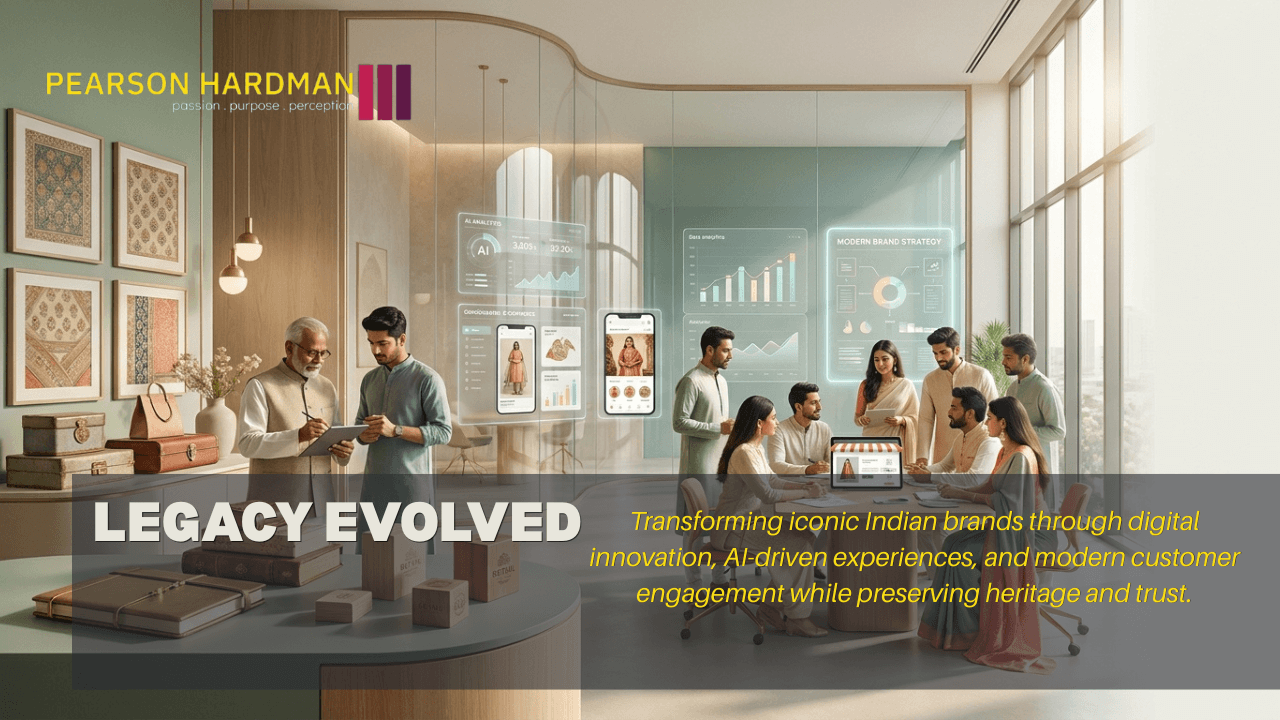
Successful brands often highlight their origins through storytelling while showcasing modern innovation in their products and services. This combination creates a compelling narrative where tradition meets technology.
For instance, a heritage food brand may share stories about traditional recipes while introducing healthier, tech-driven packaging solutions. Similarly, an educational brand might emphasize decades of expertise while integrating artificial intelligence learning tools.
This balance ensures that the brand remains credible while appearing forward-looking.
In 2026, consumers increasingly appreciate companies that respect their roots while embracing the future.
Personalization Through Data and AI
Another important factor in the repositioning of legacy Indian brands is the use of data-driven personalization.
Gen Alpha consumers are accustomed to personalized recommendations from streaming platforms, gaming ecosystems, and digital learning tools. They expect brands to understand their interests and preferences.
Artificial intelligence enables companies to deliver tailored experiences across digital channels. Educational platforms recommend learning modules based on a child’s progress. E-commerce platforms suggest products aligned with personal interests.
Legacy brands that adopt these technologies can create more engaging and relevant interactions.
However, trust remains crucial when dealing with data. Parents play an important role in purchase decisions for Gen Alpha audiences. Therefore, brands must ensure transparency in how they collect and use data.
Companies that prioritize privacy and ethical data practices are more likely to build long-term trust.
The Role of PR and Strategic Communication
Repositioning a brand is not limited to marketing campaigns. Public relations and strategic communication also play a significant role in shaping perception.
Many legacy brands work with specialized agencies to craft narratives that resonate with modern audiences. Strategic PR helps brands communicate their transformation effectively across media platforms.
Agencies such as Pearson Hardman emphasize the importance of storytelling, reputation management, and digital visibility in repositioning efforts. These strategies help brands highlight their expertise while reaching new audiences.
Effective PR ensures that brand narratives appear consistently across news platforms, industry publications, and digital media. When audiences encounter a brand story through credible sources, trust naturally increases.
In an era where reputation spreads quickly through online conversations, proactive communication becomes essential.
Case Study Trends: How Indian Brands Are Adapting
Across multiple industries, legacy Indian brands are experimenting with innovative approaches to connect with Gen Alpha consumers.
In the FMCG sector, brands are launching healthier product variants and packaging them with educational storytelling about nutrition. Many companies are collaborating with schools and digital learning platforms to integrate their products into educational content.
Retail brands are adopting immersive technologies such as augmented reality shopping experiences that allow children to interact with products virtually. These experiences combine entertainment with discovery.
Meanwhile, educational companies are integrating artificial intelligence learning assistants and gamified lesson structures. These innovations transform traditional study materials into engaging digital platforms.
Although the industries differ, the underlying principle remains consistent. Legacy brands must meet Gen Alpha audiences where they already spend their time.
The Future of Brand Loyalty in the Gen Alpha Era
Brand loyalty has traditionally been passed down through generations. Parents recommended the same products they used as children, creating long-term brand relationships.
However, Gen Alpha is redefining this dynamic. While family influence still matters, young consumers are increasingly forming their own preferences through digital experiences.
This means loyalty must be earned continuously rather than assumed.
Legacy brands that remain adaptable, transparent, and innovative will continue to thrive. Those that rely solely on past reputation may struggle to capture the attention of younger audiences.
The future belongs to companies that combine heritage credibility with modern engagement strategies.
Also Read: Press Releases and Backlinks: Boosting Domain Authority with Smart SEO Strategy
Conclusion
The rise of Gen Alpha marks a transformative moment in consumer behavior. This generation expects brands to be transparent, interactive, and purpose driven. As a result, many companies are rethinking how they communicate their value.
Legacy Indian brands have a unique opportunity. Their heritage offers credibility that newer companies often lack. However, maintaining relevance requires adaptation.
Through digital storytelling, creator partnerships, gamified experiences, sustainability initiatives, and data-driven personalization, heritage brands are successfully reconnecting with younger audiences.
The lesson is clear. Trust in 2026 is not built through reputation alone. It is earned through meaningful engagement and authentic communication.
Brands that embrace this philosophy will not only win Gen Alpha’s trust but also shape the next era of Indian consumer culture.