Introduction
Retail in Pune is undergoing a silent but powerful transformation. A few years ago, customers would walk into a showroom, interact with a salesperson, and make a purchase based on what they saw physically. Today, that same customer walks in with prior knowledge, compares prices on global apps, checks reviews in real time, and often completes the purchase later on a digital platform. This shift is not accidental. It is the result of a rapidly evolving ecosystem driven by unified commerce 2026.
The gap between physical retail and digital platforms has been one of the biggest challenges for businesses in Pune. Showrooms offer experience, trust, and human interaction, while global apps offer convenience, variety, and speed. Customers now expect both, not separately but as one continuous journey. This expectation has made unified commerce 2026 not just relevant but essential for survival and growth.
In this detailed guide, we will explore how unified commerce 2026 is reshaping Pune’s retail environment, how it connects local showrooms with global apps, and what strategies businesses must adopt to stay competitive. If you are a business owner, marketer, or decision-maker, this article will give you a clear roadmap to navigate the future of retail.
Understanding Unified Commerce 2026 in the Modern Retail Landscape
Unified commerce 2026 is often confused with omnichannel retail, but the difference is significant. Omnichannel allows businesses to exist on multiple platforms, while unified commerce ensures that all those platforms operate as one integrated system. It connects inventory, customer data, payments, and communication channels into a single ecosystem that works in real time.
In practical terms, this means a customer can browse a product on a mobile app, visit a Pune showroom to physically experience it, and complete the purchase online without any disruption. The system remembers their preferences, updates stock instantly, and ensures consistent pricing across all platforms. This level of integration creates a seamless customer experience, which is the core objective of unified commerce 2026.
For Pune retailers, this concept is particularly important because the city represents a blend of traditional buying behavior and modern digital influence. Customers here are informed, tech-savvy, and highly selective. They expect brands to deliver convenience without compromising on experience. Unified commerce makes this possible by removing friction between channels and creating a consistent brand journey.
Also Read: Connected TV Ads: Why OTT Advertising is Now More Precise than Facebook Ads
The Evolution of Pune Showrooms in a Digital Economy
From Transaction Spaces to Experience Centers
Pune showrooms are no longer just places where transactions happen. They are evolving into experience centers where customers interact with products, explore options, and build trust with brands. This shift is driven by the increasing influence of digital platforms, which handle much of the discovery and decision-making process.
When a customer enters a showroom today, they are often already halfway through their buying journey. They have researched the product, compared alternatives, and formed expectations. The role of the showroom is to validate those expectations and provide a tactile experience that digital platforms cannot offer.
Unified commerce 2026 enhances this role by connecting the showroom with digital data. Sales representatives can access customer preferences, previous interactions, and online behavior, allowing them to offer personalized assistance. This creates a more meaningful and efficient in-store experience.
The Need for Global Visibility
One of the biggest limitations for Pune-based retailers has been their reach. While they may have strong local presence, they often struggle to compete with global apps that dominate online visibility. Unified commerce bridges this gap by integrating local businesses with global platforms.
This integration allows Pune showrooms to showcase their products on international marketplaces, social commerce platforms, and mobile apps. As a result, they can attract customers not just from Pune but from across India and even globally. This expanded reach opens up new revenue opportunities and strengthens brand positioning.
How Global Apps Are Redefining Customer Behavior
Global apps have fundamentally changed how customers interact with brands. They have introduced speed, transparency, and personalization into the buying process. Customers can now compare products, read reviews, and make decisions within minutes.
In the context of unified commerce 2026, these apps act as critical touchpoints in the customer journey. A customer might discover a product through a social media app, evaluate it on an eCommerce platform, and finally visit a Pune showroom to experience it before making a purchase. This multi-step journey highlights the importance of consistency across channels.
If there is any mismatch in pricing, availability, or information, it can lead to confusion and loss of trust. Unified commerce ensures that all platforms are synchronized, providing accurate and consistent information at all times. This builds confidence and encourages customers to complete their purchases.
Another important aspect is personalization. Global apps use advanced algorithms to recommend products based on user behavior. Pune retailers must adopt similar strategies to stay competitive. Unified commerce platforms enable businesses to collect and analyze data, allowing them to offer personalized recommendations both online and offline.
Bridging Pune Showrooms and Global Apps Through Unified Commerce 2026
Integration of Technology and Retail Operations
Technology plays a central role in unified commerce 2026. Without proper integration, it is impossible to create a seamless connection between Pune showrooms and global apps. Businesses need centralized systems that bring together inventory management, customer relationship management, payment gateways, and marketing tools.
For example, when a product is sold in a showroom, the inventory should automatically update across all online platforms. Similarly, customer data collected through digital channels should be accessible in-store. This level of integration ensures that every interaction is informed and relevant.
Cloud-based platforms and AI-driven analytics are making this integration more accessible. They allow businesses to manage operations efficiently while maintaining consistency across channels. This is particularly beneficial for growing retailers in Pune who want to scale without losing control over their processes.
Real-Time Synchronization for Better Decision Making
Real-time data synchronization is one of the most powerful features of unified commerce 2026. It ensures that businesses always have accurate information about inventory, sales, and customer behavior.
This not only improves customer experience but also enhances decision-making. Retailers can identify trends, monitor performance, and adjust strategies quickly. For instance, if a product is performing well online, businesses can highlight it in their Pune showrooms to boost sales further.
Creating a Seamless Customer Journey
The ultimate goal of unified commerce is to create a seamless customer journey. This means eliminating barriers between online and offline interactions. Customers should be able to move effortlessly between platforms without facing any inconsistencies.
A well-implemented unified commerce system ensures that customers receive the same level of service, information, and convenience regardless of where they interact with the brand. This consistency builds trust and encourages long-term loyalty.
Benefits of Unified Commerce 2026 for Pune Businesses
Unified commerce 2026 offers significant advantages for businesses that are willing to adapt. One of the most important benefits is improved customer experience. When all channels are connected, customers enjoy a smooth and hassle-free journey, which increases satisfaction and retention.
Another key benefit is operational efficiency. Managing separate systems for online and offline operations can be complex and error-prone. Unified commerce simplifies this by providing a single platform that handles everything. This reduces costs and improves accuracy.
Revenue growth is another major advantage. By integrating with global apps, Pune showrooms can reach a larger audience and tap into new markets. This increases sales opportunities and enhances brand visibility.
Finally, unified commerce provides valuable insights into customer behavior. Businesses can use this data to understand preferences, identify trends, and optimize their strategies. This data-driven approach leads to better decision-making and improved performance.
Challenges Businesses Must Overcome
Despite its benefits, implementing unified commerce 2026 comes with challenges. One of the biggest hurdles is the initial investment required for technology and infrastructure. Many small and medium businesses in Pune may find this daunting.
However, it is important to view this as a long-term investment rather than a cost. The benefits of unified commerce, such as increased efficiency and revenue, often outweigh the initial expenses.
Data management is another challenge. Handling large volumes of customer data requires robust systems and security measures. Businesses must ensure that they comply with data protection regulations while using data effectively.
There is also a need for cultural change within organizations. Employees must adapt to new technologies and processes. Proper training and change management are essential for successful implementation.
The Role of Digital Marketing in Unified Commerce Growth
Digital marketing is a key driver of unified commerce 2026. It connects Pune showrooms with global apps and brings customers into the ecosystem. Without effective marketing, even the best unified commerce system cannot deliver results.
Search engine optimization helps businesses appear in relevant searches, while social media marketing drives engagement and awareness. Paid advertising allows businesses to target specific audiences and generate leads.
Content marketing plays a crucial role in building trust and authority. High-quality blogs, videos, and social media posts educate customers and influence their decisions. This integrated approach ensures that customers remain engaged throughout their journey.
Future Trends Shaping Unified Commerce 2026
The future of unified commerce 2026 is driven by innovation and technology. Artificial intelligence will continue to enhance personalization, making customer interactions more relevant and engaging.
Augmented reality will allow customers to visualize products before purchasing, bridging the gap between digital and physical experiences. Voice commerce and conversational AI will simplify interactions, making it easier for customers to connect with brands.
For Pune retailers, staying updated with these trends is essential. Those who embrace innovation will be better positioned to compete in a global market and deliver exceptional customer experiences.
Also Read: Multimedia Newsroom with 3D Assets: How to Increase Media Pick-up Rates in 2026
Conclusion
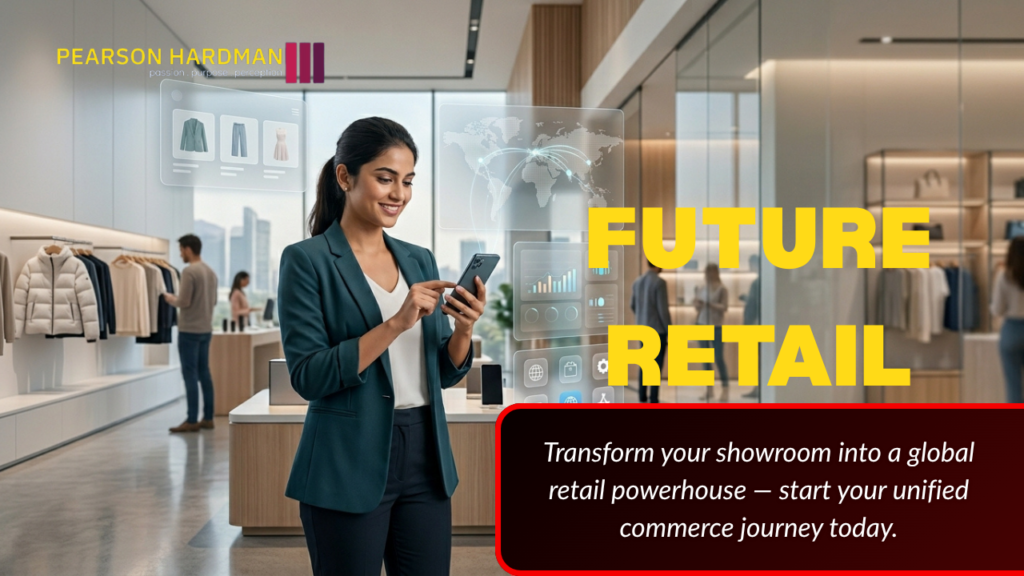
Unified commerce 2026 is redefining the retail landscape by bridging the gap between Pune showrooms and global apps. It creates a connected ecosystem where customers can interact with brands seamlessly, regardless of the platform they choose.
For businesses in Pune, this is an opportunity to expand their reach, improve customer experience, and stay competitive in a rapidly evolving market. The transition may require investment and effort, but the rewards are significant.
The future of retail belongs to those who can integrate, adapt, and innovate. Unified commerce is not just a strategy, it is the foundation of that future.